


Dr Kam Li Wei Michelle
Respiratory Physician


Source: Shutterstock
 Add as a preferred source on Google
Respiratory Physician
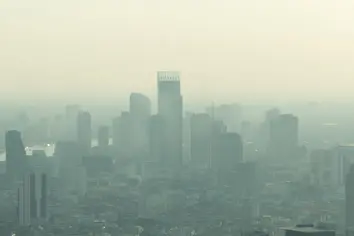
We’re all familiar with haze – the smog-like phenomenon that irritates our eyes and ruins our plans for football matches and morning jogs. But did you know that severe haze conditions can pose potentially serious hazards to your health?
While we’ve had some reprieve from the haze in recent years, there’s no need to remain foggy about the details. Here’s a guide that clears up all you need to know about the haze, and how to keep yourself and your loved ones healthy.
Unlike mist and fog, which consist of water droplets in the air, haze is made up of smoke, dust and other particulate matter which are suspended in the atmosphere around us.
This is usually caused by severe air pollution, such as during forest fires, and may be further aggravated during the dry season when there is less rainfall. Wind directions may carry haze to regions beyond the original site, and this is known as transboundary haze, which affects people living in these other countries.
Singapore experiences haze almost yearly, with particularly severe spells in 1997, 2015, and 2026. It’s usually caused by large-scale forest and land fires in the region due to traditional open burning used to clear land quickly and inexpensively. Wind direction also significantly influence whether haze affects Singapore.
The effects of the haze depend on the severity of the haze, the duration of exposure, intensity of activity when outdoors, as well as the health of an individual.
Individuals who have pre-existing medical conditions, including chronic heart disease or lung disease, as well as children, pregnant women and the elderly, are more susceptible to effects of the haze.
The Pollutant Standards Index (PSI) level measures air quality and indicates the severity of haze. A PSI reading of 101 and above is considered unhealthy. In particular, the main component of concern is fine particulate matter known as PM 2.5 (particles which are 2.5 microns or less in size), which can also accumulate indoors resulting in adverse health effects to those exposed.
Dr Michelle Kam, pulmonologist at Gleneagles Hospital, says: “Exposure to the haze may aggravate preexisting heart or lung conditions, resulting in increased shortness of breath and other worsening symptoms. Individuals may be more susceptible to infections due to their worsening condition. In healthy individuals, they may also experience adverse effects of the haze such as eye, nose and throat irritation.”
During haze season, you may experience respiratory symptoms such as sneezing, runny nose, watery eyes, throat irritation and cough, due to the poor air quality. There may be an increased risk of both upper and lower respiratory tract infections (bronchitis) from germs such as influenza, the common cold, and COVID-19.
If you have a chronic heart or lung condition, such as asthma or chronic obstructive pulmonary disease (COPD), this may be aggravated by the haze, causing worsening symptoms such as cough, wheezing and shortness of breath which may be severe and require medical attention and hospitalization. Hence, in patients who experience worsening symptoms, they should seek medical attention at the clinic or urgent care centre (UCC).
Haze levels are measured by the Pollutant Standards Index (PSI). Here’s a simple breakdown of how these values look like, and what they mean for you:
0 – 50 (Good air quality): You can go about your regular activities as usual.
51 – 100 (Moderate air quality): You may notice a slight drop in visibility, but there’s no need to fret at this point.
101 – 200 (Unhealthy air): You may find yourself experiencing irritation of your eyes, nose and throat. If you have heart or respiratory issues, try to avoid physical and outdoor activities. Children, pregnant women and the elderly should minimise strenuous activities.
201 – 300 (Very unhealthy air): The aged and sick should remain indoors, and the general public should avoid excessive outdoor activity.
301 – 400 (Hazardous air): Healthy individuals will experience symptoms that restrict normal activity.
Above 400: The public should stay indoors, shut all windows and doors, and limit physical activity.
Real time updates on the haze situation in Singapore can be found on the National Environment Agency’s haze microsite.
For healthy individuals, short-term exposure to haze will probably be more of an irritation than a cause for concern. However, it’s better to be safe than sorry – and best to be prepared with preventive measures.
The best form of protection is to stay indoors. Physical activity such as exercise and strenuous work increases exposure to the haze and may result in irritation or shortness of breath. If outdoor activity is unavoidable, check the PSI and PM2.5 levels before heading out, and keep outdoor activity to a minimum. If you experience discomfort, outdoor activity should be stopped immediately.
In addition to eye, nose and throat irritation, air pollution can also cause skin irritation. Although hydration does not remove particles from the lung, staying well hydrated helps to keep the throat moist and reduces irritation. It also supports the body’s ability to flush out toxins and maintain overall health. It is also important to continue to use sunscreen to protect from the sun’s UV rays and environmental oxidative stress during the haze season.
Keep windows and doors closed when the outdoor air quality is poor, and if possible, use an air purifier with a High Efficiency Particulate Air (HEPA) filter, which may help improve air quality indoors. As a basic guideline, the clean air delivery rate figure of a suitable air filter should be at least thrice the room's volume, measured in cubic metres. As particulate matter may enter indoors and accumulate, it is important to clean regularly.
Avoid smoking, burning of incense or candles, and other activities that generate smoke during this period, which will further aggravate air pollution and worsen irritation to the lungs.
During the haze, a healthy and balanced diet helps to ensure adequate nutrition, vitamins and minerals to maintain overall health.
A properly fitted N95 mask, which is a respiratory mask designed to keep out fine particulate matter and prevent you from breathing them in, can be helpful when you are outdoors. Regular surgical and paper masks do not provide protection against fine particulate matter.
Although N95 masks are commonly available in pharmacies, not everyone is suitable to wear one.
In patients with underlying health conditions, they should seek medical advice from their doctor before wearing an N95 mask, as they may experience significant shortness of breath and aggravate their underlying health condition.
Smoking or vaping can weaken your lung health and make you more susceptible to the harmful effects of haze. If you're a smoker, it's best to avoid smoking, especially during periods of poor air quality. If you're not a smoker, avoid secondhand smoke.
If anyone should experience persistent or worsening breathlessness, wheeze, chest pain, severe coughing or difficulty speaking due to shortness of breath, they should seek medical attention immediately. If symptoms are severe, seek emergency care immediately.
If haze is affecting an existing respiratory condition such as asthma or COPD, or you have respiratory symptoms that do not improve, consider speaking to a respiratory physician to assess your lung health and advise on appropriate treatment and management.
Our Urgent Care Centre (UCC) is here for you – around the clock, around the corner. Get timely treatment and support 24/7, all day, every day of the year. Learn more about our waiting times, fees, ambulance options, and other services here.
Haze may affect those with chronic heart or lungs conditions such as asthma or COPD, respiratory conditions such as cough, bronchitis and lung cancer, and cause skin, throat and eye irritation.
The severity of haze is indicated by the Pollutant Standards Index (PSI). In the recent Sep 2026 haze season in Singapore, the PSI hit 102 or unhealthy levels.
Haze may cause symptoms such as coughing, sneezing, a runny nose, dry throat, eye irritation or breathing discomfort. If your symptoms worsen, particularly if you have an existing heart or lung condition such as asthma, bronchitis or COPD, seek medical attention at a clinic or Urgent Care Centre.
While most haze-related symptoms are mild, some conditions may require prompt medical attention, particularly if symptoms worsen or do not improve with your usual treatment.
Our Urgent Care Centres at Mount Elizabeth, Gleneagles and Parkway East Hospitals are open 24/7 with an average wait time of 30 minutes.
For severe breathlessness, chest pain or other life-threatening emergencies, call 995 immediately.
If you experience non-urgent symptoms such as a persistent cough, blocked nose, sore eyes or a sore throat with a mild fever, consider visiting a GP.
Under Singapore’s Haze Subsidy Scheme, eligible Singapore Citizens pay $10 or less for the treatment of haze-related conditions, such as asthma and allergic rhinitis, at participating Public Health Preparedness Clinics (PHPCs), including Parkway Shenton clinics and Parkway MediCentre.
Someone around you starts wheezing and coughing vigorously. What should you do?
Can asthma sufferers continue to exercise and lead active lifestyles?
What is influenza, and what flu vaccinations can you get to protect yourself against it?
Struggling to manage your asthma, or know someone who is? Here's what you can do to cope with it.

A cough can sometimes go away on its own, but what does it mean if you can't stop coughing?

Have you ever felt that you cannot breathe in enough air? Dr Chew Huck Chin explains dyspnoea and why you should not ignore it.

Our breast surgeon explains how to understand your risk, warning signs to know, why screening matters even when you feel well, and what surgery can look like today.

As knee osteoarthritis progresses, everyday activities can become more difficult. Our pain specialist and orthopaedic surgeon explain the treatment options available and how to find the right approach for you.

Dr Edwin Chng from Parkway Shenton explains why weight loss can slow down during medical weight management, and when it may be time to review your treatment plan.

Prostate cancer is common, often silent, and still diagnosed too late in Singapore. Urologist Dr Tan Yung Khan on what every man should know about screening, diagnosis, and treatment.
We answer common questions about haze, and how this can affect common chronic lung conditions such as asthma and chronic obstructive pulmonary disease (COPD), and 8 simple tips to protect ourselves against it.

Our neurosurgeon, Dr Vincent Ng, explains the factors specialists consider when deciding whether a brain aneurysm should be monitored or treated, and what the different treatment options involve.
Gleneagles Hospital is part of IHH Healthcare, one of the world's largest integrated healthcare networks.

Download the MyHealth360 app to access an array of medical services conveniently.


Get trusted medical advice from our specialists, dietitians and physiotherapists directly in your inbox.
Subscribe


