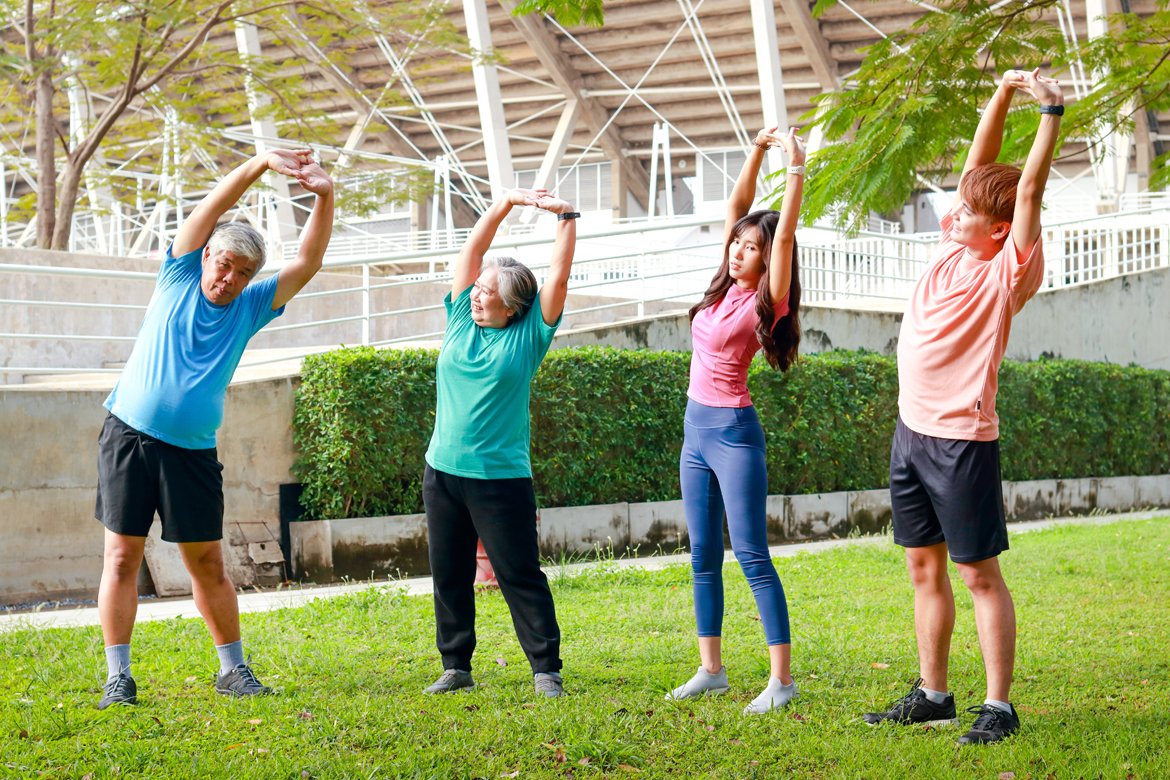
No time for the gym? Try these easy exercises to add movement into your day and stay on track with your New Year’s resolution to keep fit, even for beginners.
If you have ever made the New Year resolution, “I will exercise more this year,” but struggled to stick to a strict gym routine, you are not alone. After a strenuous day, many people find it hard to block out an hour for the gym or a run.
The good news: you do not need a perfect workout plan to support your bones, joints, muscles, and mind.
Physical and Mental Health Benefits of Exercise
Sneaking in exercises to meet your New Year resolution may mean building short bursts of movement into the routine you already have. These small changes can help you:
Build strength around your joints to support bone health
Reduce stiffness in your neck, back, hips, and knees
Boost your mental health and energy, especially on busy workdays
Bodyweight exercises and light stretches are a simple way to get started, because they use your own body as resistance and can be done without any equipment.
Our sports medicine or orthopaedics specialists often see how small, regular movements can make a big difference to recovery and long-term bone health. This article shares practical exercises and stretches you can do at home, in the office, or while getting groceries to get you started right away.
How to exercise safely as a beginner
Before you add new exercises to your day:
Check in with your body. If you have heart disease, severe joint pain, recent surgery, or a long-term condition, speak to your doctor or physiotherapist first.
Start gently. Begin with 5–10 minutes and low-intensity moves. You can add more time or repetitions as you feel stronger.
Understand “good pain” vs “warning pain”. Mild muscle tiredness is normal. Sharp, sudden, or worsening pain in a joint, chest pain, or breathlessness that makes it hard to speak are signals to stop and seek medical advice.
Focus on the correct posture. It is more important to have the correct posture, instead of doing more reps.
If you are unsure what is safe, a consultation with our sports medicine or bone health doctors can help you design an exercise plan that suits your bone and joint health needs.
Turn daily chores into “hidden” workouts
If you don’t have time for a full workout, use everyday activities as movement opportunities. Turn housework and routines into chances to incorporate simple exercises.
Here are simple ideas as you go about your day:
Stretch when watching TV
Stand up to do a quick stretching routine every episode.
Walk around your home during advertisement breaks.
During housework
Do calf raises while brushing your teeth or washing dishes.
Turn vacuuming into a steps challenge and aim to hit your steps goal while keeping your home clean.
When you pick something up from the floor, bend into a squat instead of rounding your back.
While waiting
Waiting for the kettle to boil or food to heat? Walk on the spot, do gentle side steps, or practise calf raises.
Standing in a queue? Gently tighten and relax your tummy muscles for a few seconds at a time.
These small and steady workouts support your muscles and bones without needing extra time on your calendar.
Easy ways to move more in the office or home
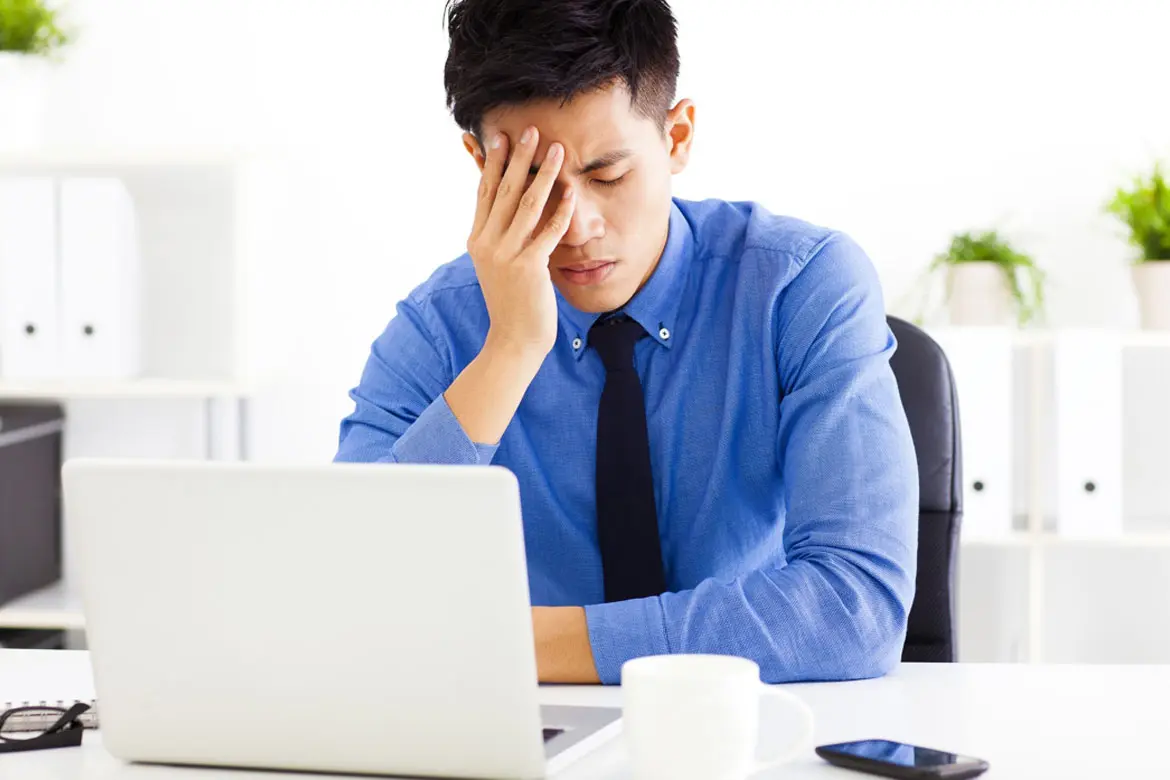
If you spend most of your day sitting, small choices can add up to a lot more activity for your fitness.
Standing meetings
Richard Branson, CEO of the Virgin Group, is famous for having standing meetings to keep them short. Where it is practical and safe to do so, try changing some of your meetings into standing or walking ones.
Start with short meetings. Try a 15-minute catch-up while standing or walking instead of sitting in a meeting room.
Keep the pace gentle. You should still be able to talk comfortably without feeling breathless.
Use a simple route. Walk around your office floor, a nearby corridor, or a safe outdoor path if the weather allows.
Use a standing desk. If you tend to be glued to your laptop, use a standing desk to improve circulation.
Do calf push-ups. Calf raises can be done when seated - the deeper calf muscles (soleus) gets worked and studies have shown that this simple exercise improves glucose metabolism, especially post meals.
Standing and walking while working help you break up long sitting periods, ease stiffness in your hips and back, and gently engage the muscles that support your posture.
Take the stairs when you can
Climbing stairs is a simple, weight-bearing activity that can help support bone strength and leg muscles.

Start small. Begin with one or two flights of stairs and use the lift for the rest.
Use the handrail. This helps with balance and safety, especially if you have knee or hip discomfort.
Go at a comfortable pace. You should still be able to speak in full sentences. Keep track of your heart rate to ensure that the workout is not too strenuous.
Build a habit. For example, take the stairs at MRT stations.
Try a “1 km walking rule”
A simple way to add more movement to your day is to follow a “1 km walking rule” where it is safe and realistic. If your destination is about 1 kilometre away or less, consider walking instead of driving or taking a bus.
You can apply this rule when you are:
Going to a nearby café or shop
Walking from the bus stop or train station
Taking the scenic route home
Taking a stroll after meals with your children or pets
Participate in the Walking Trails @ CDC programme to explore walking routes and earn rewards
To make it easier:
Wear comfortable shoes or keep a pair at your desk.
Leave a few extra minutes so you are not rushing.
Use this time to unwind, listen to music, or simply enjoy a quiet moment between tasks.
These extra walking minutes through the day support your heart, muscles and bones, and can help you feel more energised without setting aside a separate workout time.
Home or office stretches you can do in 3 minutes
When you are at home or office, it is tempting to sit. Instead, try a short, structured “movement break” every few hours. These easy stretches are joint-friendly and need no equipment. Perform each stretch for 30 seconds.
Neck side stretch
Sit or stand tall.
Gently tilt your right ear towards your right shoulder.
Hold 10–15 seconds, breathing slowly.
Repeat on the left side.
Shoulder rolls
Circle your shoulders up, back, and down 10 times.
Then roll them forward 10 times.
Chest opener
Clasp your hands behind your back.
Gently draw your shoulders back and down.
Lift your chest, looking straight ahead. Hold 15–20 seconds.
Standing side reach
Stand with feet hip-width apart.
Raise your right arm overhead and lean gently to the left.
Feel the stretch along the side of your body. Hold 10–15 seconds.
Repeat on the other side.
Walk in place
Walk in place (when watching TV or working on the laptop).
Try bringing your knees up slightly.
These easy stretches help improve flexibility in your neck, shoulders, spine, and legs, which is helpful if you spend long hours sitting.
Small wins to make your New Year resolution stick
Many fitness resolutions fade by February because they feel too arduous or strict. To build a habit that supports your bone and joint health:
Keep it simple. Aim for “10 minutes of movement a day” rather than “1 hour at the gym”.
Attach movement to existing routines. For example, walk to the MRT station or be rewarded for exploring walking trails.
Celebrate tiny wins. Mark movement days on a calendar or in a mobile app. Seeing your streak grow is motivating.
Be kind to yourself. If you miss a day, simply start again the next day. Your bones and muscles respond to overall patterns, not perfection.
Stay active with a buddy. Get your partner or friend to be your exercise buddy and motivate each other with small wins.
When should I see a doctor when exercising?
For your New Year resolution, you do not need a perfect workout routine. Pick one easy stretch or exercise, and add it into your day. However, while easy exercises and stretches are safe for most people, you should speak to a sports medicine, orthopaedic specialist, or physiotherapist if you notice:
New numbness, tingling or weakness in your arms or legs
If you have ongoing bone, joint or muscle concerns, consider booking an appointment to discuss a personalised exercise and rehabilitation plan. Our specialists and rehabilitation team work with many patients who need support for their joint, muscle, or bone health. The journey to a healthier you starts with one small activity.
FAQs
Q: I have not exercised in a long time. How do I start working out as a beginner?
A: You can start small with stretches, walking more, or simple exercises like walking on the spot while watching TV.
Q: What are the physical and mental health benefits of exercising?
A: Staying active and working out supports bone health, builds muscles, lowers risk of osteoporosis, and boosts mental health.
Q: What are signs to stop exercising and consult a specialist?
A: You should stop exercising and consult a specialist if you have sharp or sudden joint pain, chest pain or breathlessness, or feel instability or numbness.

American College of Sports Medicine. (2016). ACSM Information On… Reducing Sedentary Behaviors: Sit Less and Move More. Retrieved June 2021 from https://www.acsm.org/docs/default-source/files-for-resource-library/reducing-sedentary-behaviors-sit-less-and-move-more.pdf?sfvrsn=4da95909_2
Cleveland Clinic. (2022, January 17). 7 reasons to start walking in place. Cleveland Clinic. https://health.clevelandclinic.org/is-walking-in-place-exercise
HealthHub. (n.d.). 7 easy exercises to an active lifestyle. HealthHub SG. https://www.healthhub.sg/programmes/aap/easy-exercises-steps/
Kilroy, D. S. (2025, September 24). Exercise plan for older adults: Strength, stretching, and balance. Healthline. https://www.healthline.com/health/everyday-fitness/senior-workouts
Lillien, L. (2024, September 1). Is walking in place good exercise? Verywell Fit. https://www.verywellfit.com/housewalk-your-way-to-weight-loss-1087907
Marangoni, A. H. (2010). Effects of intermittent stretching exercises at work on musculoskeletal pain associated with the use of a personal computer and the influence of media on outcomes. Work: A Journal of Prevention, Assessment & Rehabilitation, 36(1), 27-37. Retrieved January, 2016 from http://www.ncbi.nlm.nih.gov/pubmed/20555173 doi: 10.3233/WOR-2010-1004
Tay, G. (2025, January 4). New year, new gains: How to keep your fitness New Year’s resolutions. AsiaOne. https://www.asiaone.com/lifestyle/new-year-new-gains-how-keep-your-fitness-new-years-resolutions
Heart attack symptoms in women are often 'silent' but the consequences of not noticing them can be life threatening. Besides frequent heart screenings, knowing the signs can help prevent heart attacks.

Not everyone who participates in sports knows about the risks involved – until they get hurt. Here are the top 5 serious sports injuries and how they can be treated.