What is physiotherapy?
Physiotherapy helps restore normal movement and function in people affected by injuries or medical conditions.
Physiotherapy uses an evidence-based approach that begins with a biomechanical assessment of the body, followed by a combination of manual therapy and exercise therapy.
Types of physiotherapy services
We provide physiotherapy services in the following areas:
Bone, joint and sports rehabilitation
Back and neck (spine) rehabilitation
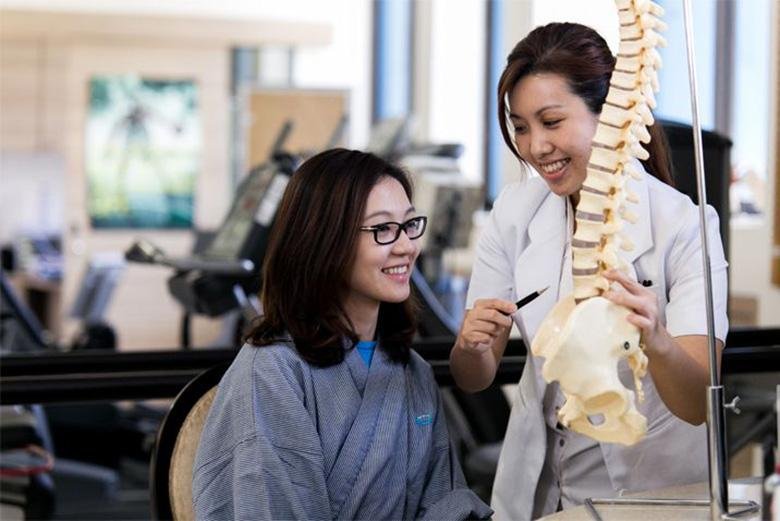
Spine rehabilitation focuses on reducing pain, improving mobility, and preventing acute conditions from becoming chronic. Common conditions managed include:
- Disc prolapse (slipped disc)
- Spondylosis, which is the wear and tear of spinal disks in the neck
- Spondylolisthesis, when one of the lower vertebrae slips out of place onto the bone directly beneath it, causing lower back pain
Treatment may include:
- Core strengthening
- Ergonomic advice
- Manual therapy
- Postural correction
- Soft tissue release
- Manipulation therapy
- Traction and other electrotherapeutic modalities
Sports physiotherapy
Our sports physiotherapy is tailored to support recovery from sports-related injuries and promote a safe return to sports. Therapy may include sports injury prevention and management, as well as sports optimisation for activities such as running, triathlon, climbing and combat sports. Common conditions treated include:
Post-operative rehabilitation
After surgery, your body may experience stiffness, weakness or reduced mobility, and may need support to regain strength, movement and function safely. Our physiotherapists will work closely with your doctor to guide you through personalised rehabilitation following:
Gait analysis for runners
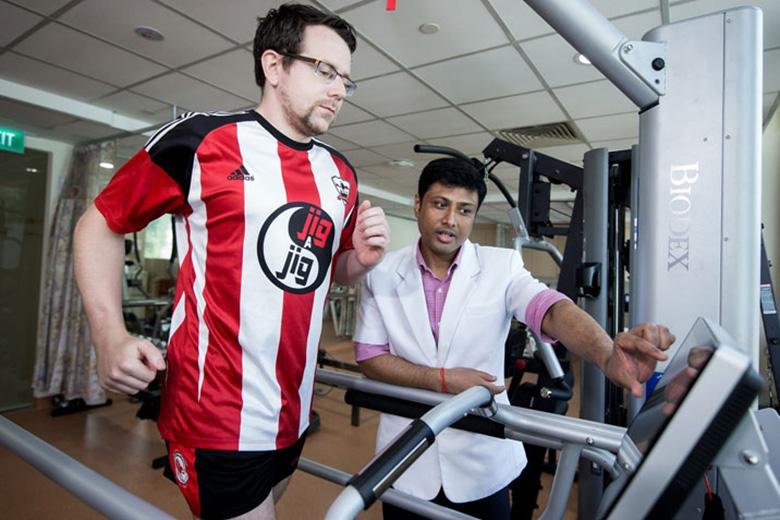
Using a digital gait analysis system, our therapists assess walking and running patterns to identify movement abnormalities that may affect performance or increase the risk of injury. The analysis helps runners improve movement efficiency, optimise performance and support injury prevention.
TMJ pain management
TMJ pain management is designed to help individuals experiencing jaw pain, stiffness, clicking or difficulty opening and moving the jaw due to temporomandibular joint (TMJ) disorders. Treatment focuses on relieving discomfort, improving jaw function and supporting daily activities such as eating and speaking comfortably.
Serial casting
Serial casting uses a series of progressive casts to gradually stretch stiff or tight muscles and improve joint movement affected by spasticity or contracture.
Neurological and stroke rehabilitation
Neurological rehabilitation
Neurological rehabilitation supports patients with neurological conditions affecting movement, mobility, balance, coordination, and daily function, including:
- Balance dysfunction
- Bell’s palsy
- Guillain-Barré syndrome
- Head injury
- Multiple sclerosis
- Parkinson's disease
- Spinal cord injury
Stroke rehabilitation
Stroke rehabilitation focuses on helping patients relearn movement, mobility, coordination, and daily living skills after a stroke. Our multidisciplinary approach to recovery may include:
- Exercises to improve your muscle strength and coordination.
- Mobility and gait training to support walking and balance, using assistive devices such as walkers, quad sticks, and orthoses (dynamic AFOs). Early standing may also be supported with tilt tables, automatic standing frames, and biofeedback balance monitoring systems.
- Body-weight support treadmill training to improve walking ability and relearn motor skills.
- Functional electrical stimulation to stimulate weakened or partially paralysed muscles to facilitate muscle contraction and muscle re-education.
- Caregiver training and home therapy to support a smooth transition from hospital to home. Our therapists will train caregivers on how to safely transfer and assist patients with walking using walking aids.
Vestibular rehabilitation
Vestibular rehabilitation helps manage dizziness, vertigo, and balance disorders linked to inner ear conditions. Our physiotherapists use exercise-based techniques to improve balance, reduce the risk of falls, and support mobility. Techniques such as the Epley manoeuvre may be used for conditions such as benign paroxysmal positional vertigo (BPPV).
Robotic rehabilitation
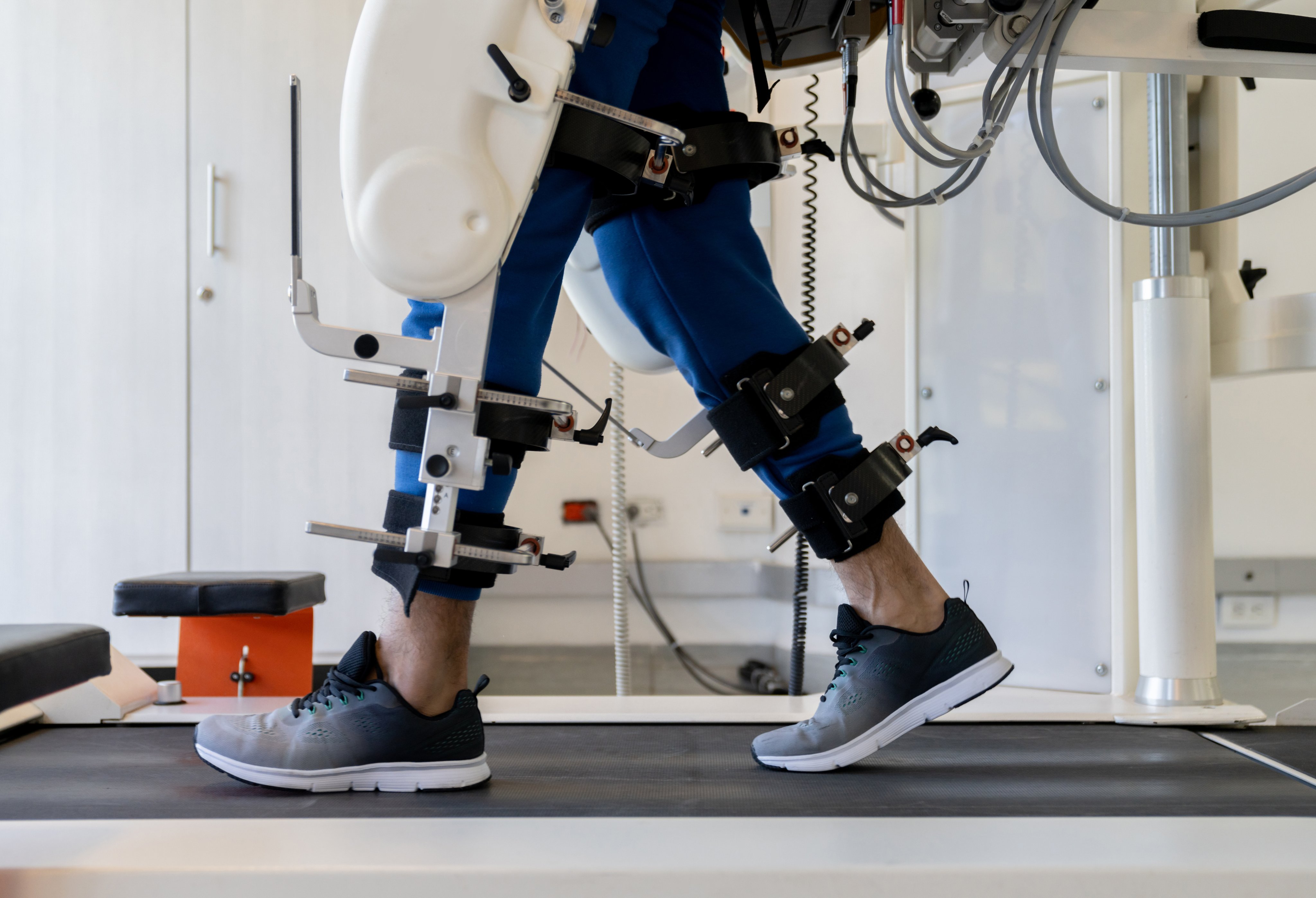
Robotic rehabilitation uses robotic-assisted technology to support recovery from neurological and musculoskeletal conditions. Specialised equipment may be used to help retrain movement, rebuild strength, and restore function, including:
- Lokomat
- C-Mill VR+
- Erigo Pro
- Armeo Spring
- Exoskeleton (EKSO)
- LUNA EMG
- EXCITE
Specialised rehabilitation
Cardiopulmonary physiotherapy
Our physiotherapists provide pre- and post-operative rehabilitation for patients who have undergone heart and lung-related surgical procedures such as:
Treatment focuses on improving endurance, clearing lung secretions, and restoring functional independence through breathing techniques, chest physiotherapy, chest expansion exercises, postural drainage, and energy conservation techniques.
Assistive respiratory devices, including cough assist devices, inspiratory muscle trainers, and incentive spirometers, may also be used where required.
Pelvic floor rehabilitation
Pelvic floor rehabilitation focuses on women's pelvic health, helping to improve the strength, coordination, and control of the pelvic floor muscles. Following a detailed assessment, treatment may include biofeedback therapy, electrical stimulation, bladder and bowel retraining, pain management strategies, and support for post-operative or postnatal recovery. Suitable for conditions including:
- Urinary incontinence (stress or mixed)
- Pelvic organ prolapse (Grade I–III)
- Chronic pelvic pain, dyspareunia, or vaginismus
- Perineal pain or poor scar recovery
- Diastasis recti with pelvic floor dysfunction
- Recurrent symptoms despite medication
Treatment is tailored to your specific diagnosis, with the aim of reducing symptoms, improving quality of life, and helping to prevent recurrence.
Postnatal rehabilitation
Postnatal rehabilitation supports recovery after pregnancy and childbirth, whether following a vaginal delivery or caesarean section. Treatment is personalised and focuses on managing pain, restoring core and pelvic floor strength, improving posture, and supporting a safe return to daily activities and exercise. Conditions managed include:
- Pelvic floor weakness or urinary leakage
- Diastasis recti
- Back or pelvic pain
Cancer rehabilitation
Cancer rehabilitation helps patients restore strength, physical function, and independence following cancer or its treatment. Personalised programmes focus on improving mobility, managing fatigue, reducing deconditioning, and supporting quality of life throughout and beyond treatment.
Chronic pain management
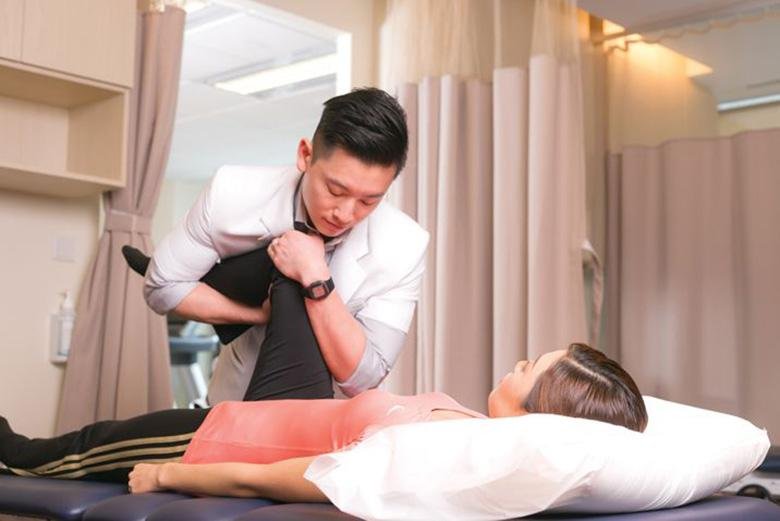
Chronic pain management supports patients living with persistent or recurring pain that affects mobility, function, and daily life. Treatment is individualised and may include movement-based rehabilitation, manual therapy, pain management strategies, and targeted physiotherapy techniques.
Wellness and movement programmes
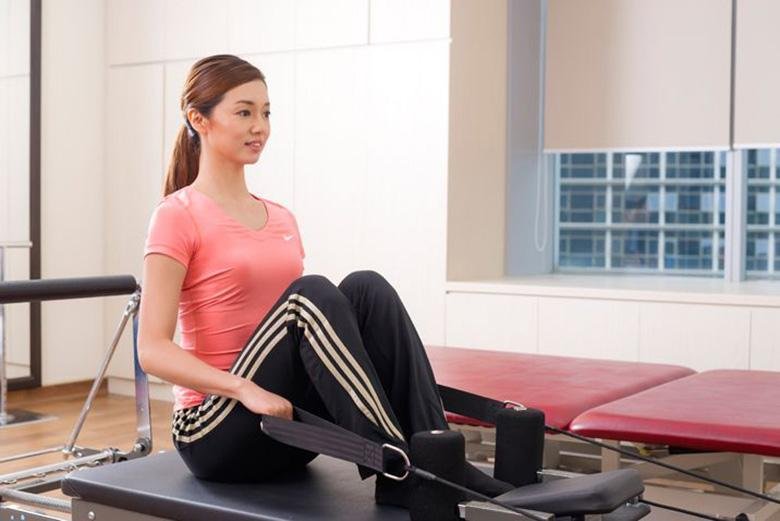
Clinical pilates
Clinical pilates, also known as rehabilitation pilates, is a physiotherapist-led approach to pilates that focuses on improving posture, core stability, strength, flexibility, and movement control. Following a personalised assessment, exercises are tailored to restore movement patterns and support recovery through safe, progressive training. Suitable for individuals with:
- Back or neck pain
- Joint injuries or post-surgical conditions
- Recurrent sports injuries
- Chronic or degenerative musculoskeletal conditions
Physiotherapy for older adults
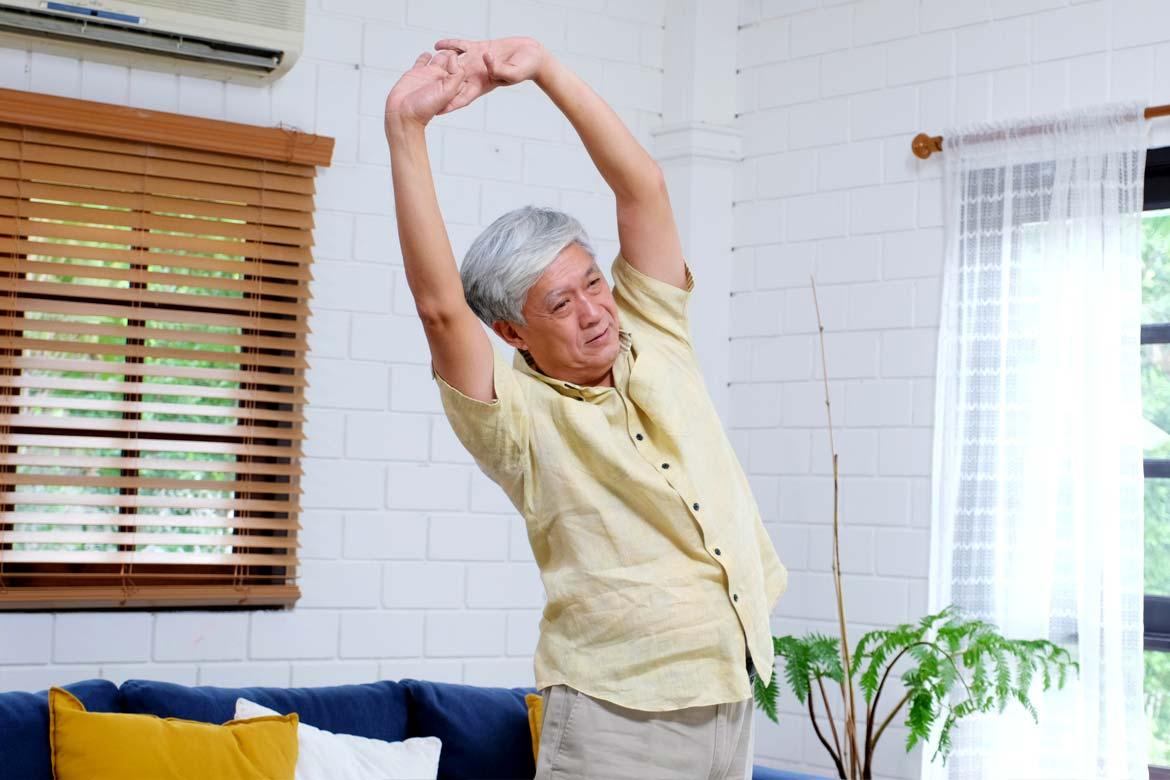
Physiotherapy for older adults supports healthy ageing by improving strength, mobility, balance, and physical function. Personalised programmes address fall prevention, bone health, and confidence in daily activities through:
- Strengthening and balance exercises
- Posture and alignment training
- Balance and mobility exercises
Physiotherapy for diabetes
Physiotherapy supports the management of type 2 diabetes and related complications through personalised exercise programmes, including aerobic and strength training. Guidance on foot care and physical wellbeing may also be provided where appropriate.
Physiotherapy for people with disabilities
For individuals with physical disabilities, personalised rehabilitation programmes focus on improving mobility, function, and independence in daily activities. Treatment is tailored to each individual's needs and goals, and may address conditions including cerebral palsy, muscular dystrophy, and chronic pain.
Other physiotherapy services
We also offer additional therapies and treatment techniques to support rehabilitation and pain management, including:
- Focus & radial shockwave therapy
- Super inductive system
- Dry needling