


Neuroblastoma
What is neuroblastoma?
Neuroblastoma can be categorised into 4 stages depending on age, and how advanced and aggressive the cancer is.
Neuroblastoma is also classified according to its genetic aberrations. Amplification of the MYC-N oncogene often predicts treatment failure.
Neuroblastoma that shows MYC-N amplification is classified as high-risk regardless of its stage.
Stages of neuroblastoma
Neuroblastoma can be categorised into 4 stages depending on age, and how advanced and aggressive the cancer is:
- Stage L1. The tumour has not spread from where it started and is restricted to a part of the body, such as the chest, abdomen, or neck. This stage has the lowest risk.
- Stage L2. The tumour is still restricted to a part of the body, but cancer cells have spread to regional lymph nodes. Also, there is involvement of vital structures of the body, such as the tumour encasing large blood vessels.
- Stage M. The tumour has spread to more than a single body part. This is known as metastatic neuroblastoma. This stage has the highest risk.
- Stage MS. This stage affects children younger than 18 months, and is considered low-risk. In this, the cancer spreads only to skin, liver, and/or bone marrow.
What are the symptoms of neuroblastoma?
Symptoms of neuroblastoma may differ depending on the body part. Some common symptoms include:
- Lumps or swelling in the affected regions
- Persistent fever
- Bone pain and limping
- Back pain
- Weight loss
- Eye changes, such as swelling and bruising around the eyes, dark circles, and unequal pupil size
What causes neuroblastoma?
A genetic mutation in neuroblasts causes them to grow uncontrollably and develop into tumour. However, it is not yet known what causes this genetic mutation that leads to neuroblastoma.
What are the complications of neuroblastoma?
- Metastasis or spread of the cancer. The tumour cells may spread to the lymph nodes, bones, bone-marrow, liver and skin.
- Spinal cord compression. The tumour may cause spinal cord compression that may result in pain and paralysis.
- Dropping blood cell count such as anaemia and low platelet count.
- Severe hypertension and renal insufficiency. This may make chemotherapy difficult.
- Paraneoplastic syndromes. Sometimes, tumour cells release hormones that can cause symptoms such as watery diarrhoea, rapid heartbeat, high blood pressure, reddening of the skin, sweating, fever, and rapid eye movements.
This coverage checker is brought to you by Health Insured, an online resource that helps you understand your health coverage in Singapore.
This page has been reviewed by our medical content reviewers.
RELATED ARTICLES
View all
Ask our Doctor: What are Breast Cancer Risks and Early Signs?
Our breast surgeon explains how to understand your risk, warning signs to know, why screening matters even when you feel well, and what surgery can look like today.

Ask Our Doctor: How Is Prostate Cancer Detected and Diagnosed?
Prostate cancer is common, often silent, and still diagnosed too late in Singapore. Urologist Dr Tan Yung Khan on what every man should know about screening, diagnosis, and treatment.

Advance Medical Directive (AMD) in Singapore: Why and How to Make
In the unfortunate event of a terminal illness, you can help your loved ones understand the medical care you would want in advance. An Advance Medical Directive (AMD) lets you record your desired medical care legally in Singapore.

Ask Our Doctor: What’s New in Prostate Cancer Treatment?
Prostate cancer treatment has never been more personalised. Medical oncologist Dr Wong Siew Wei on advanced prostate cancer, targeted therapies, and life after treatment.

Found a Breast Lump? Here’s What to Do Next
While not all breast lumps eventually turn out to be cancerous, the discovery of any lumps in the breast, nipple discharge or even skin changes around the nipple should prompt a trip to the doctor for clinical assessment.
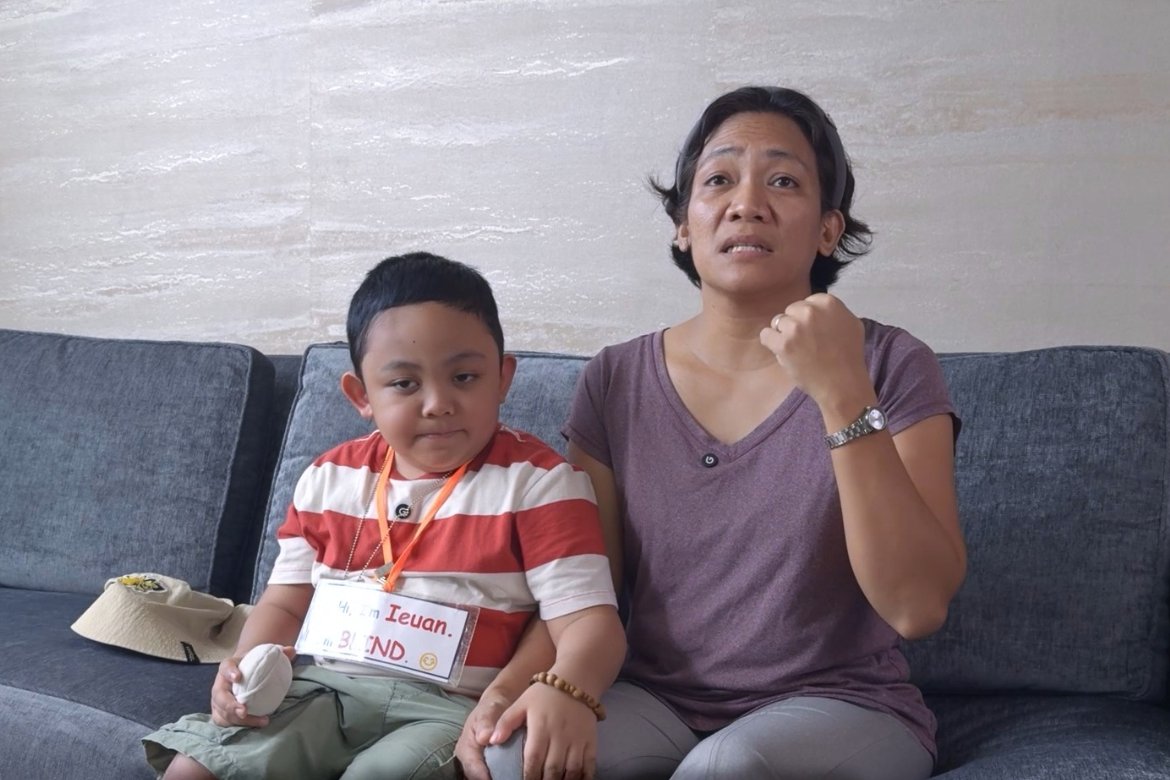
Saving a Life with Proton Therapy for Paediatric Cancer
Five-year-old Ieuan travelled from the Philippines to Singapore for proton beam therapy, an advanced radiation treatment for tumours that also protects healthy tissue.
Need help?
For enquiries, please call
+65 6575 7575
For appointment bookings, please WhatsApp
+65 8111 9777


