



Dr Colum Patrick Nolan
Neurosurgeon


 Add as a preferred source on Google
Neurosurgeon

Anaesthesiologist
Sciatica is a nerve-related condition that occurs when the sciatic nerve is irritated or compressed, leading to pain, tingling, or weakness that radiates from the lower back down the leg. In more severe cases, it can significantly affect mobility, function, and quality of life.
Effective management often requires a multidisciplinary approach. Pain specialists focus on managing pain and improving function through medications, rehabilitation, targeted injections, and minimally invasive interventional procedures. Spine surgeons specialise in evaluating and treating structural conditions affecting the spine and nerves, including performing minimally invasive spinal procedures or surgeries when necessary.
In this article, our pain specialist and neurosurgeon explain the full spectrum of treatment options for sciatica, and when each approach may be most appropriate for lasting relief.
Sciatica is commonly caused by:
While mild cases may improve with conservative care, persistent or worsening symptoms may require specialist assessment and targeted treatment.
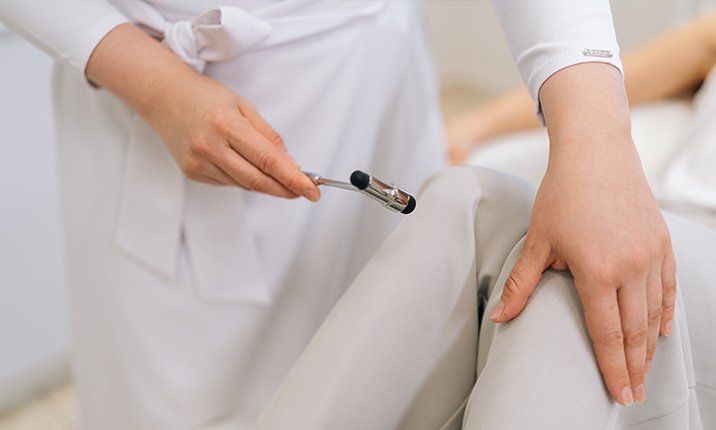
Accurate diagnosis is essential because treatment depends on identifying the exact source and severity of nerve compression.
Specialists may evaluate:
Imaging investigations such as MRI scans are commonly used to assess disc herniation, spinal stenosis, or other structural causes. In selected cases, nerve conduction studies may also be recommended.
For many patients, sciatica can improve without surgery. Conservative treatment approaches including medications, physiotherapy, rehabilitation, and lifestyle modification are often highly effective in controlling pain, reducing inflammation, improving mobility, and supporting recovery.
Treatment plans are tailored according to symptom severity, imaging findings, lifestyle demands, and overall health.

Medications help manage pain and inflammation while allowing patients to remain mobile and participate in rehabilitation.
Depending on symptom severity and the underlying cause, a pain specialist may prescribe:
While medications can provide relief, prolonged reliance on painkillers alone may not address the underlying structural cause of nerve compression.
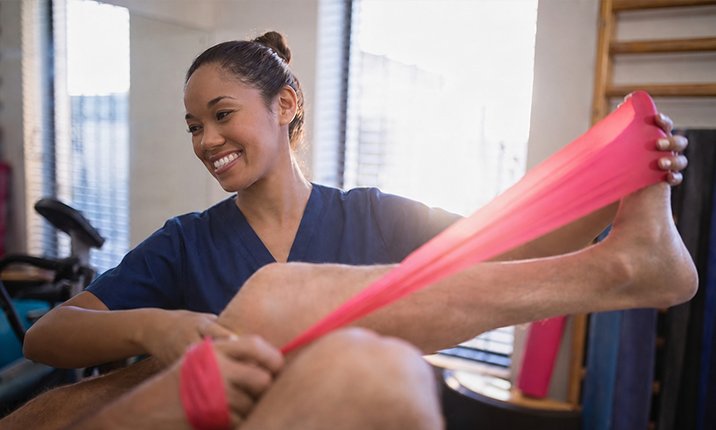
Physiotherapy is often recommended as part of a structured treatment plan guided by a pain specialist or neurosurgeon, depending on the underlying cause of symptoms. It plays an important role in improving spinal stability, posture, flexibility, and mobility.
A structured rehabilitation programme may include:
Low-impact activities such as walking, swimming, and guided strengthening exercises can help reduce strain on the lower back while maintaining mobility.
However, in cases of severe nerve compression, physiotherapy alone may not be sufficient, and more targeted interventions may be needed.

Prolonged sitting, poor lifting technique, and sedentary habits can all perpetuate sciatic nerve irritation.
Patients are often advised to:
Extended bed rest is generally discouraged, as gentle movement often supports recovery better than prolonged inactivity.
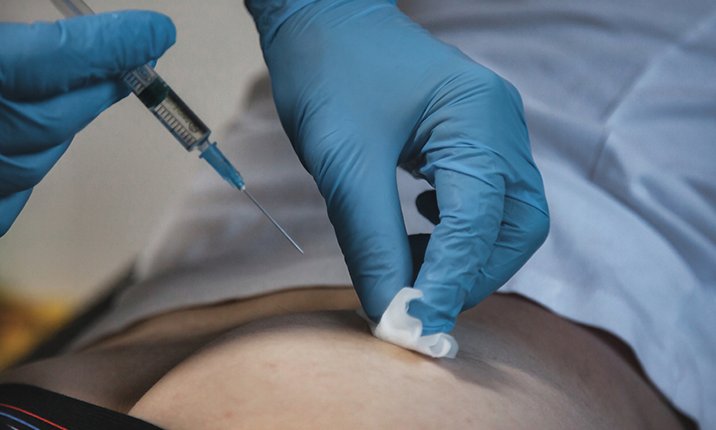
When conservative treatment does not provide sufficient relief, specialised image-guided injections may be used to target the affected nerve more directly. These procedures aim to reduce inflammation, relieve pain, and improve mobility, while helping reduce reliance on long-term oral medications.
Targeted injections deliver corticosteroid medication and local anaesthetic directly around the affected nerve root. This helps reduce nerve inflammation and alleviate radiating leg pain associated with sciatica.
These injections may help:
Relief duration varies depending on the underlying condition and severity of nerve compression.
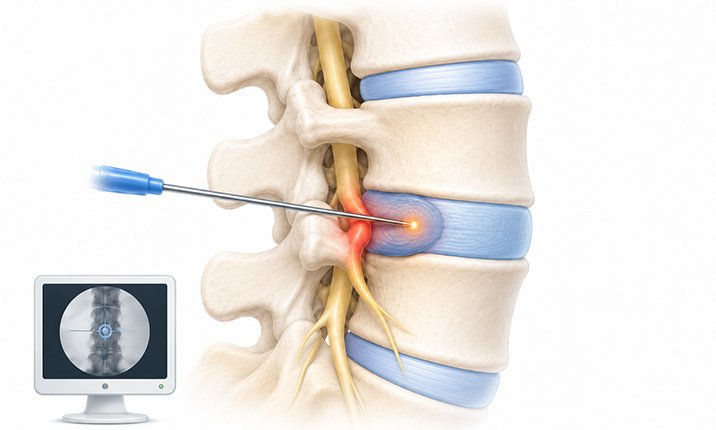
For disc herniation or spinal stenosis that does not respond adequately to conservative treatment, interventional spine procedures may help reduce nerve irritation, relieve pain, and improve function. These procedures are typically image-guided and are performed using needles or catheters without open incisions.
They may be performed by a pain specialist or selected spine surgeons depending on the technique and clinical indication.
Using real-time imaging guidance, radiofrequency energy is delivered through a fine needle to reduce the size of the herniated disc pressing on the nerve root.
The procedure is typically performed as day surgery and minimises disruption to surrounding tissues.
This catheter-based procedure may be used in patients with chronic or recurrent sciatica caused by scar tissue.
The technique helps:
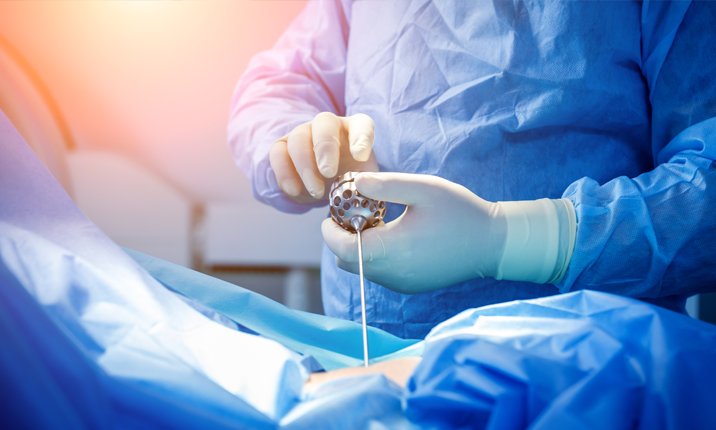
Most patients with sciatica do not require surgery. However, surgical treatment may be recommended when there is significant nerve compression, worsening neurological symptoms, or persistent pain that does not improve with conservative and interventional treatment.
Surgery aims to physically relieve pressure on the affected nerve by addressing the underlying structural cause.
Surgical procedures can usually be done using minimally invasive (keyhole) techniques, with direct access to the spine through small incisions with less soft tissue and muscle disruption.
Depending on the underlying condition, surgical treatment may include:
Modern spine surgery techniques are increasingly precise and minimally invasive, often allowing for faster recovery and reduced postoperative discomfort compared to traditional open surgery. Many of these cases can be performed as day surgeries.
With accurate diagnosis and timely specialist care, most patients can achieve significant improvement in pain and function.
The key is understanding that persistent sciatica is not something patients simply have to “live with”. A range of effective treatment options exist — from rehabilitation and targeted injections to minimally invasive procedures and surgeries.
Early assessment can help patients access the right treatment before symptoms become more severe or prolonged.
Persistent or worsening nerve compression can sometimes lead to long-term nerve damage if left untreated.
Patients should seek specialist evaluation if they experience:
Patients should seek urgent care if they experience:
These may be signs of serious nerve compression requiring urgent evaluation.
Many cases of sciatica improve over time with rest, activity modification, and conservative treatment. However, persistent, worsening, or recurrent symptoms should be medically evaluated to rule out significant nerve compression.
Gentle walking is often beneficial because it promotes circulation, mobility, and muscle conditioning without placing excessive strain on the spine. However, activities should be adjusted according to symptom severity and specialist advice.
Common triggers include:
In some patients, coughing or sneezing may temporarily worsen symptoms due to increased spinal pressure.
Recovery varies depending on the underlying cause and severity of nerve compression. Some patients improve within weeks with conservative treatment, while others with more significant spinal conditions may require longer-term treatment or more invasive forms of intervention.
No. Most patients improve with non-surgical treatment such as medication, physiotherapy, lifestyle modification, or interventional pain procedures. Surgery is usually considered only when symptoms persist, neurological deficits develop, or severe nerve compression is present.
At Mount Elizabeth Hospital, our experienced neurologists and neurosurgeons provide comprehensive care for brain and spine conditions — from diagnosis to treatment. If you’re experiencing symptoms of sciatica or have concerns about your brain and spine health, we’re here to help.
Find a specialist
This is a phenomenon that has been rearing its head much more in recent years. Athlete or not, it is important to understand its possible causes.

Not everyone who participates in sports knows about the risks involved – until they get hurt. Here are the top 5 serious sports injuries and how they can be treated.

It’s not unusual to hear of professional athletes suffering a heart attack at the peak of their game. Cardiologists can provide expert advice to athletes.

Professional athletes collect a score of injuries during their career. Singapore Slinger Wong Wei Long shares how he minimises sports injuries on the job.

Dr Michael Soon, orthopaedic surgeon, shares how proper conditioning and swing techniques can reduce one's risk at getting injured.

A pioneering surgery for heart disease is proving quicker and safer than conventional alternatives.

Our breast surgeon explains how to understand your risk, warning signs to know, why screening matters even when you feel well, and what surgery can look like today.

As knee osteoarthritis progresses, everyday activities can become more difficult. Our pain specialist and orthopaedic surgeon explain the treatment options available and how to find the right approach for you.

Dr Edwin Chng from Parkway Shenton explains why weight loss can slow down during medical weight management, and when it may be time to review your treatment plan.

Prostate cancer is common, often silent, and still diagnosed too late in Singapore. Urologist Dr Tan Yung Khan on what every man should know about screening, diagnosis, and treatment.

We answer common questions about haze, and how this can affect common chronic lung conditions such as asthma and chronic obstructive pulmonary disease (COPD), and 8 simple tips to protect ourselves against it.

Our neurosurgeon, Dr Vincent Ng, explains the factors specialists consider when deciding whether a brain aneurysm should be monitored or treated, and what the different treatment options involve.
Gleneagles Hospital is part of IHH Healthcare, one of the world's largest integrated healthcare networks.

Download the MyHealth360 app to access an array of medical services conveniently.


Get trusted medical advice from our specialists, dietitians and physiotherapists directly in your inbox.
Subscribe