Dr Low Eu Hong
Paediatrician


Source: Shutterstock
 Add as a preferred source on Google
Paediatrician
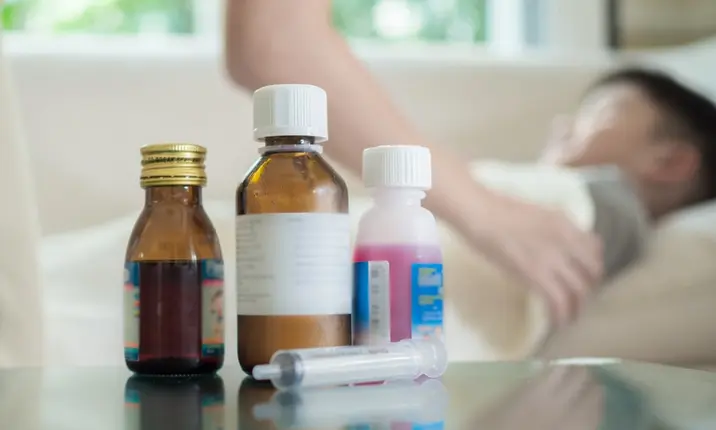
It is every parent's nightmare – to discover your child limp and unresponsive from an overdose of paediatric meds. The mistake could be from a prescription by a paediatrician, dispensation of dosage by a healthcare professional, or simply unsupervised kids getting their hands on the pills and popping them like candy.
In 2017, a 14-month-old boy in Singapore was allegedly dispensed 4 times the dosage of Fedac syrup – a cough medication – for his age, and was rushed to the hospital when his mother could not rouse him from a deep sleep.
The mom had been instructed to give the child 10ml of Fedac 3 times a day, when according to Health Sciences Authority, a child under the age of 2 should not consume more than 2.5ml per dose.
In Singapore, paracetamol and ibuprofen overdoses are cited to be one of the top drug-related emergencies among children in [emergency departments](/urgent-care-centre/overview “Urgent Care Centre”). Fatalities are most often caused by overdose of analgesics (painkillers), followed by antihistamines (for allergies) and sedative-hypnotic-antipsychotic drugs (used to reduce tension, relieve anxiety and induce sleep).
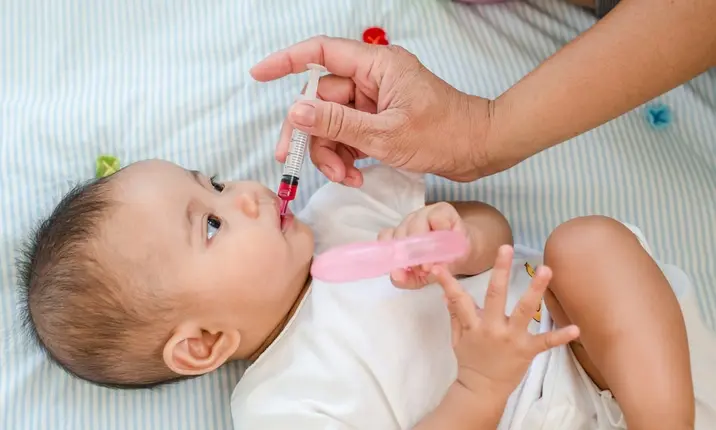
This can happen if there is a mix-up between the doctor's orders and the dispensation of the medicine by the clinic nurse or well-meaning parents who want to relieve their child's symptoms as soon as possible. This can lead to incorrect dosage. Always read labels carefully and use the measuring cup, syringe, spoon, or dropper that is packaged with the medicine.
Different medicines may contain the same active ingredients, such as acetaminophen or paracetamol. Make sure you're not giving your child 2 products containing the same active ingredient as that may lead to a drug overdose. An example of this is giving Panadol for pain relief as well as NyQuil or Robitussin for cold, as both contain acetaminophen/paracetamol.
Store medicine in an area that is difficult for your children to access. Put it away each time you use it. Close child-resistant caps until they click.
Extended-release medicine is formulated so that the drug is released in gradations over time. As such, the effects of medication last longer and do not need to be taken as often.
Medicine comes in different forms, concentrations and doses for adults and children and should not to be shared. Always appoint an adult in the family to be the primary medicine dispenser so the child is not accidentally given an extra dosage.
Combining prescription drugs with complementary and alternative medicine increase risk in herb-drug interactions. Some Chinese herbs may also contain similar ingredients found in Western medicine, resulting in overdose when consumed together.
How can you tell if your child is experiencing a drug overdose? Symptoms and signs can vary according to the child's age, weight and size, as well as the type and dosage of the medicine he or she took. Watch out for these potential red flags:
Early signs and symptoms of possible paracetamol overdose are nausea, vomiting, lethargy and right upper abdominal pain.
Signs of an overdose on cough or cold medicine in children include:
[Seek medical attention immediately](/urgent-care-centre/overview “Urgent Care Centre”) if you suspect potential overdose on any cough or cold medication. Keep the medicine bottle handy so you can provide the doctor with the exact ingredients in the medicine.
Get your child to the hospital promptly. The doctors will either pump your child's stomach, induce them to vomit out the toxins, or administer an oral activated charcoal to absorb the poison. If the drug has been assimilated into the bloodstream, an antidote such as N-acetylcysteine may be given.
It is preferred to go to a hospital that provides emergency toxicology support. Parkway East Hospital's [Urgent Care Centre](/urgent-care-centre/overview “Urgent Care Centre”) is equipped to handle this, and supported by a team of paediatric doctors in the hospital.
Post the number on your refrigerator door and save it on your roster of essential numbers for babysitters, caregivers and family members.
Call Parkway East Hospital's 24-hour UCC at +65 6340 8666 immediately if your child:
Your healthcare professional may not know the medicine causing your child's overdose, so be sure to have the following information on hand so they may make informed choices regarding your child's treatment.
Above all, remain calm. It may be easier said than done, but what your child really needs in the event of a potential drug overdose is a composed and collected parent who thinks quickly on their feet.
Your doctor may order the following tests and treatment procedures to be administered:
During a medical emergency in Singapore, you can also call +65 6473 2222 for an ambulance that will transport you to the nearest hospital or a hospital of your choice. Learn more about Parkway Emergency services.

Although exams may be a stressful period for everyone at home, it doesn't have to take a toll on your child's health. Here are 6 ways to make sure your child is in their best condition for the exams.

A big decision new parents must make early on in their parenting journey concerns which type of milk to feed their newborn. A dietitian and lactation (breastfeeding) consultant answer your questions.

9 healthy activities that you can do as a family to strengthen family ties, kill boredom and improve your overall health at the same time.

Dr Leonard Ang, ophthalmologist, guides you on the causes of pink eye (conjunctivitis) and what to do when it occurs.

Allergies are at best annoying, and at worst life-threatening. Here's how to identify an allergy when you have one, and what to do when an allergy acts up.

Someone around you starts wheezing and coughing vigorously. What should you do?

Our breast surgeon explains how to understand your risk, warning signs to know, why screening matters even when you feel well, and what surgery can look like today.

As knee osteoarthritis progresses, everyday activities can become more difficult. Our pain specialist and orthopaedic surgeon explain the treatment options available and how to find the right approach for you.

Dr Edwin Chng from Parkway Shenton explains why weight loss can slow down during medical weight management, and when it may be time to review your treatment plan.

Prostate cancer is common, often silent, and still diagnosed too late in Singapore. Urologist Dr Tan Yung Khan on what every man should know about screening, diagnosis, and treatment.

We answer common questions about haze, and how this can affect common chronic lung conditions such as asthma and chronic obstructive pulmonary disease (COPD), and 8 simple tips to protect ourselves against it.

Our neurosurgeon, Dr Vincent Ng, explains the factors specialists consider when deciding whether a brain aneurysm should be monitored or treated, and what the different treatment options involve.
Gleneagles Hospital is part of IHH Healthcare, one of the world's largest integrated healthcare networks.

Download the MyHealth360 app to access an array of medical services conveniently.


Get trusted medical advice from our specialists, dietitians and physiotherapists directly in your inbox.
Subscribe