


Dr Choo Chuan Gee
Respiratory Physician

 Add as a preferred source on Google
Respiratory Physician
Pneumonia is a lung infection that can affect people of all ages, from young children to older adults. Although some cases are mild, others can lead to serious complications that require hospital care.
Dr Choo Chaun Gee, respiratory physician (pulmonologist) at Mount Elizabeth Hospitals, explains how knowing the symptoms of pneumonia, differences compared to the flu, and when to see a doctor can help protect your health.
Pneumonia is an infection that causes inflammation in one or both lungs. It affects the tiny air sacs in your lungs, known as alveoli, which may fill with fluid or pus. This makes it harder for oxygen to pass into your bloodstream and can cause breathing difficulties. Pneumonia is a leading infectious cause of death globally.
The severity of pneumonia varies. Some people experience mild symptoms and recover at home, while others may require hospital treatment. Some patient may experience only mild symptom and can be safely treated at home, while other may require treatment and close clinical observation in the hospital.
Young children under 5 years old, older adults above 70 years old, people with weakened immune systems or existing health conditions, i.e. diabetes mellitus and cardiovascular disease are at higher risk of pneumonia and complications. Unhealthy lifestyle habit like tobacco smoking, vaping and heavy alcohol consumption may predispose an individual to pneumonia.
Pneumonia can be caused by different types of infections, including:
Identifying the likely cause helps doctors determine the appropriate treatment.
Symptoms of pneumonia can vary depending on your age, overall health and the cause of the infection.
The common flu, influenza, or cold may share common symptoms with pneumonia such as coughing, fever and fatigue.
However, pneumonia has more serious symptoms such as breathing difficulties, chest pain or blood-tinged phlegm.
You cannot reliably distinguish pneumonia from other respiratory illnesses based on symptoms alone. A doctor may recommend a physical examination, chest X-ray or other tests to confirm the diagnosis.
If you have a persistent cough or difficulty breathing, consult a respiratory specialist promptly for further diagnosis.
Pneumonia in infants or children can be particularly concerning because young children may have difficulty explaining how they feel.
Besides fever and coughing, children with pneumonia may show symptoms such as:
Babies and younger children may show fewer typical symptoms, making pneumonia harder to recognise.
Seek prompt medical attention if your child has a persistent fever, worsening cough, rapid breathing or difficulty feeding.
Seek emergency medical care immediately if your child has severe breathing difficulties, blue or grey lips, is difficult to wake, or shows other signs of serious illness.
Early assessment can help doctors identify the cause of the symptoms and determine whether treatment is necessary.
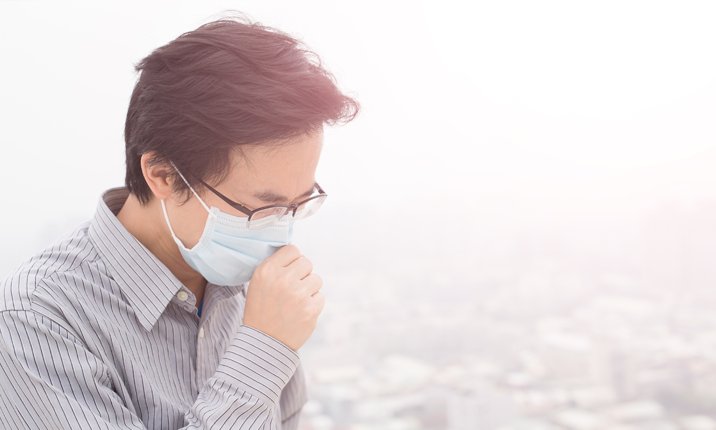
Haze raises concerns about respiratory health in Singapore and Southeast Asia.
Haze contains fine particles and other air pollutants (such as PM2.5) that can irritate your airways, particularly if you already have asthma or another lung condition.
While haze does not directly cause infectious pneumonia, however exposure to haze can potentially irritate and weakened the respiratory airway system which may predispose to pneumonia.
Some haze-related symptoms, including coughing, throat irritation and shortness of breath, may overlap with pneumonia symptoms.
It is important not to assume that a persistent cough or breathing difficulty is caused solely by haze, especially if you also have a fever or feel increasingly unwell.
When air quality is poor, you can take several steps to reduce your exposure:
These precautions may help to maintain our lung health during the haze period.
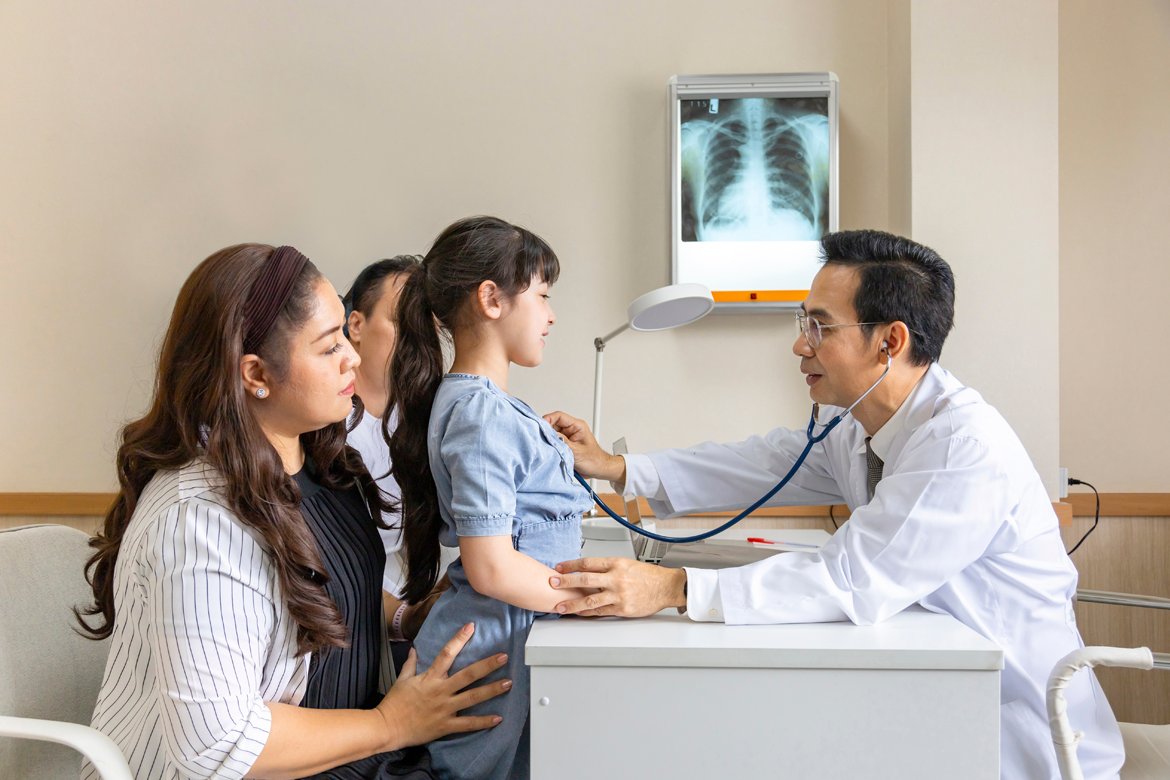
If your doctor suspects pneumonia, they will usually begin by asking about your symptoms, medical history and any existing health conditions.
Your doctor will perform respiratory system examination.
Depending on your condition, additional tests may include:
Your doctor will recommend investigations based on your clinical assessment outcome.
A common question is: Is pneumonia contagious?
The answer depends on what causes it. Pneumonia itself is a lung infection, but some of the bacteria and viruses that cause pneumonia can spread from person to person.
These germs may spread through respiratory droplets released when an infected person coughs, sneezes or talks. Some respiratory infections can also spread through smaller airborne particles or contaminated hands and surfaces.
However, being exposed to these germs does not necessarily mean you will develop pneumonia. Some people may experience a milder respiratory illness instead.
The contagious period depends on the specific bacteria or virus causing the illness and whether treatment has started.
For example, people with certain types of bacterial pneumonia may become less contagious after receiving appropriate antibiotics. Viral infections may remain contagious for different lengths of time.
If you have pneumonia, ask your doctor when it is safe to return to work, school or exercise.
In the meantime, practising good hand hygiene, covering your mouth when coughing and avoiding close contact with vulnerable individuals can help reduce the spread of respiratory infections.

Pneumonia treatment depends on the cause of the infection, its severity, and your overall health.
While vaccines cannot treat an existing pneumonia infection, vaccination can help reduce your risk of certain types of pneumonia.
Pneumococcus (Streptococcus pneumoniae) is a common cause of bacterial pneumonia acquired outside hospitals. Pneumococcal vaccines can help protect against infections caused by this bacterium, including certain types of pneumonia and bloodstream infections.
Pneumococcal vaccination is particularly important for people who may be at higher risk of serious infections, including older adults, people with chronic conditions such as lung disease, heart disease, kidney disease or diabetes, or those recovering from severe illnesses.
Speak to your doctor to find out whether pneumococcal vaccination is suitable for you.
For bacterial pneumonia, doctors may prescribe antibiotics.
In certain cases, doctors may prescribe antiviral medication, depending on the virus involved and the patient's condition.
Get enough rest, drink sufficient fluids and take suitable medication to relieve fever or discomfort.
Follow your doctor's instructions and avoid taking antibiotics unless they have been prescribed for you.
More serious cases of pneumonia may require specialist care at the hospital, particularly if you experience difficulty breathing, low oxygen levels or other complications.
Older adults, people with weakened immune systems and those with existing medical conditions such as heart disease or cancer may also require closer monitoring.
Depending on your condition, hospital treatment may include:
Pneumonia is managed by a respiratory medicine specialist (pulmonologist). Other specialists and allied health care professionals may be involved to provide an individualised care.
Recovery times vary. Some people begin to feel better within a few days of starting appropriate treatment, while others may take several weeks to regain their usual energy levels.
A cough or tiredness may persist even after the infection has started to improve.
Recovery can take longer in older adults, people with underlying medical conditions, immunocompromised individuals, or those who have experienced severe pneumonia.
If your symptoms worsen, your breathing becomes difficult or you do not improve as expected, contact your doctor for further assessment.
Although pneumonia cannot always be prevented, several everyday habits can help reduce your risk of respiratory infections.

See a specialist if you experience a persistent cough with fever, chest pain, shortness of breath or symptoms that are getting worse.
You should also seek medical advice early if you are older, have a weakened immune system or live with a chronic health condition.
Seek emergency medical care if you experience severe difficulty breathing, severe chest pain, blue or grey lips, or sudden confusion.
By recognising the warning signs, understanding how infections spread and seeking appropriate medical advice, you can consult a doctor for advice on your respiratory health.
Common pneumonia symptoms include a persistent cough, fever, chills, chest pain, shortness of breath and fatigue. Some people may also cough up phlegm or experience a loss of appetite.
Symptoms can vary depending on your age, overall health and the cause of the infection. If your symptoms worsen or you experience breathing difficulties, see a doctor promptly.
Pneumonia treatment depends on the cause and severity of the infection. Bacterial pneumonia is usually treated with antibiotics, while certain viral infections may require antiviral medication. Mild cases can often be managed at home with rest, fluids and medication to relieve symptoms.
Severe pneumonia may require hospitalisation for oxygen therapy, intravenous medication or breathing support.
Vaccination can help prevent certain types of pneumonia but does not treat an existing infection.
The flu (influenza) is a viral respiratory infection that commonly causes fever, coughing, sore throat, muscle aches and fatigue.
Pneumonia is an infection that causes inflammation in the air sacs of the lungs. It can be caused by bacteria, viruses or fungi.
Although both conditions share similar symptoms, pneumonia may cause additional breathing difficulties and chest pain. Influenza can sometimes lead to pneumonia as a complication.
Haze does not directly cause infectious pneumonia, which is usually caused by bacteria or viruses. However, haze contains fine particles and pollutants that can irritate the airways and worsen respiratory symptoms, particularly in people with existing lung conditions.
Exposure to air pollution may also increase vulnerability to respiratory infections. During periods of haze in Singapore, follow official air quality advisories and seek medical attention if you experience persistent coughing, fever or breathing difficulties.
Doctors diagnose pneumonia based on your symptoms, medical history and physical examination findings. A chest X-ray is performed to show consolidation signs. Depending on your condition, blood tests or sputum tests may also be performed to help identify the cause of the infection.
Some types of pneumonia may be contagious. Bacteria and viruses that cause pneumonia can spread through respiratory droplets or other routes of respiratory transmission. However, not everyone exposed to these germs will develop pneumonia.
Seek emergency medical care if you experience severe difficulty breathing, severe chest pain, blue or grey lips, or sudden confusion. Hospital treatment may also be necessary if pneumonia causes low oxygen levels, dehydration or other serious complications.
Older adults, people with weakened immune systems and those with existing medical conditions may require closer monitoring.
A family doctor can assess suspected pneumonia and determine if specialist care is needed. Specialists such as a pulmonologist (respiratory medicine specialist) may be involved in treating severe or complicated pneumonia.
If you have shortness of breath or difficulty breathing, visit the Urgent Care Centres (UCC) promptly at Mount Elizabeth Hospital and Mount Elizabeth Novena Hospital in the event of an emergency. Our specialists are well-trained to respond to urgent situations efficiently and effectively, 24 hours a day, 365 days a year.
Learn more about the UCC
Smokers are up to 3 times more likely to suffer heart attacks. The sooner you quit, the more you can reduce your chances of getting sick.

When it comes to discussing more personal issues with doctors, it's tempting to hide certain details. Yet, by doing so, you may be putting your health at risk.

As we celebrate our country this National Day, let's not forget to celebrate the great strides we've made in healthcare!

Someone around you starts wheezing and coughing vigorously. What should you do?
Can asthma sufferers continue to exercise and lead active lifestyles?

What is influenza, and what flu vaccinations can you get to protect yourself against it?

Our breast surgeon explains how to understand your risk, warning signs to know, why screening matters even when you feel well, and what surgery can look like today.

As knee osteoarthritis progresses, everyday activities can become more difficult. Our pain specialist and orthopaedic surgeon explain the treatment options available and how to find the right approach for you.

Dr Edwin Chng from Parkway Shenton explains why weight loss can slow down during medical weight management, and when it may be time to review your treatment plan.

Prostate cancer is common, often silent, and still diagnosed too late in Singapore. Urologist Dr Tan Yung Khan on what every man should know about screening, diagnosis, and treatment.
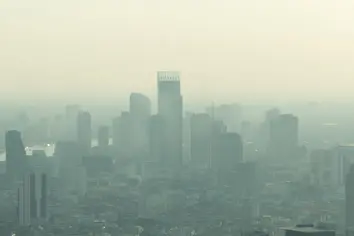
We answer common questions about haze, and how this can affect common chronic lung conditions such as asthma and chronic obstructive pulmonary disease (COPD), and 8 simple tips to protect ourselves against it.

Our neurosurgeon, Dr Vincent Ng, explains the factors specialists consider when deciding whether a brain aneurysm should be monitored or treated, and what the different treatment options involve.
Gleneagles Hospital is part of IHH Healthcare, one of the world's largest integrated healthcare networks.

Download the MyHealth360 app to access an array of medical services conveniently.


Get trusted medical advice from our specialists, dietitians and physiotherapists directly in your inbox.
Subscribe