
Source: Shutterstock
Can TCM Complement Western Medicine?
Last updated: Thursday, February 9, 2023 | 2 min reading time
 Add as a preferred source on Google
Find out how Traditional Chinese Medicine (TCM) can complement western medicine to offer better outcomes for common conditions like gastrointestinal issues and musculoskeletal pains to cancer treatment.
Medicine has evolved over the years to two distinct approaches today: Western medicine, and Traditional Chinese Medicine (TCM). As a patient, you may wonder: how are they different? Can I seek treatment concurrently from both western and TCM physicians?
Broadly speaking, TCM takes a holistic approach in the diagnosis, treatment and prevention of diseases, with the goal of restoring balance in the body. This includes the consideration of many factors, such as qi energy and blood. The treatment modalities employed in TCM typically include acupuncture, herbal medicine and therapeutic massages (tuina).
Western medicine, on the other hand, takes a systemic approach, using symptoms to isolate affected organs or organ systems to decide on the treatment needed.
Though TCM and Western medicine operate on different principles, there are areas where they can be complementary.
Acupuncture has been shown to be an effective treatment for non-specific lower back pain. In acupuncture, fine needles are inserted at specific points in the body to stimulate the flow of qi energy and to promote healing. Studies have shown that a combination of acupuncture together with Western medical treatment offers greater effectiveness, with musculoskeletal conditions being an area of benefit.
Similarly, tuina, when used together with Western medicine, can help to more effectively manage the symptoms of irritable bowel syndrome as compared to conventional Western medical treatment alone.
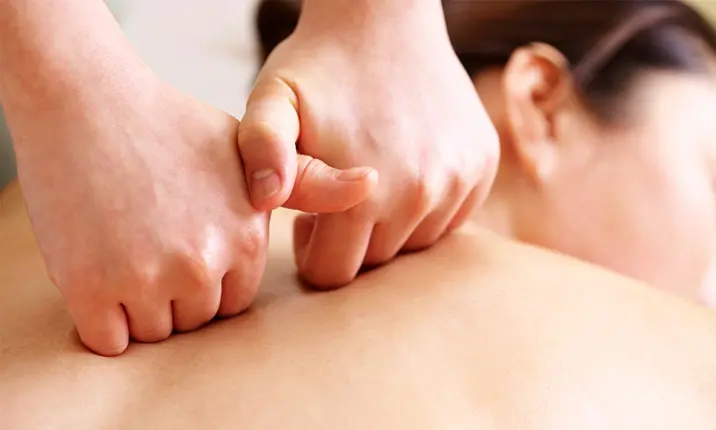
Tuina is a form of manual therapy that promotes the flow of qi using the same principles as acupuncture to achieve balance in the body. In tuina, practitioners employ the use of their fingers instead of needles to achieve the stimulation of such points.
An integration of Western medicine and TCM can also benefit cancer patients. While TCM is not meant to be a main treatment mode for cancer, it can be an effective complement to cancer treatment by improving the patient's quality of life, and help in alleviating the side effects of conventional cancer treatments such as chemotherapy and surgery. Research has also noted that certain TCM herbs exhibit anti-cancer properties with fewer side effects than chemotherapy and radiotherapy.
Do bear in mind that while TCM may be beneficial in treating conditions in combination with Western medicine, patients should always consult their primary care physician first before making any changes to their treatment plans or medication. This is because some diseases, such as cancer, require more aggressive treatment and TCM alone might not be enough to treat the disease.
Learn more about the Traditional Chinese Medicine treatments available at Parkway Shenton, or speak to our physicians at a Parkway Shenton TCM clinic near you.
Li YX, Yuan SE, Jiang JQ, Li H, Wang YJ. Systematic review and meta-analysis of effects of acupuncture on pain and function in non-specific low back pain. Acupunct Med. 2020 Aug;38(4):235-243. doi: 10.1136/acupmed-2017-011622.
Bu FL, Han M, Lu CL, Liu XH, Wang WG, Lai JL, Qiu XH, He BX, Zhang H, Robinson N, Fei YT, Liu JP. A systematic review of Tuina for irritable bowel syndrome: Recommendations for future trials. Complement Ther Med. 2020 Aug;52:102504. doi: 10.1016/j.ctim.2020.102504.
Xiang Y, Guo Z, Zhu P, Chen J, Huang Y. Traditional Chinese medicine as a cancer treatment: Modern perspectives of ancient but advanced science. Cancer Med. 2019 May;8(5):1958-1975. doi: 10.1002/cam4.2108.
Related Articles
View all
How to Heal Your Thyroid
Dr Dennis Chua talks about the thyroid and the common conditions associated with it.

10 Secrets You Need to Stop Hiding from Your Doctor
When it comes to discussing more personal issues with doctors, it's tempting to hide certain details. Yet, by doing so, you may be putting your health at risk.

How to Recognise Kidney Failure: Symptoms, Causes & Treatment
Dr Akira Wu, renal physician at Mount Elizabeth Hospital, explains what kidney failure is, what causes it and what symptoms to look out for.

4 Types of Aches and Pains Not to Ignore
If you tripped on a pavement or pulled something during a workout, you might be tempted to brush it off as a mild injury. Here's why you shouldn't ignore that ache and what you should do instead.

10 Things to Know for Your Digestive Health
To maintain digestive health, you need a healthy gastrointestinal (GI) tract.

Family Physician & General Practitioner: What's the Difference?
Which one should you consult when you're not feeling well?
Latest Articles
View All
Ask our Doctor: What are Breast Cancer Risks and Early Signs?
Our breast surgeon explains how to understand your risk, warning signs to know, why screening matters even when you feel well, and what surgery can look like today.

Knee Osteoarthritis: What To Do When Knee Pain Gets Worse?
As knee osteoarthritis progresses, everyday activities can become more difficult. Our pain specialist and orthopaedic surgeon explain the treatment options available and how to find the right approach for you.

Weight Loss Has Plateaued. Does Your Treatment Need to Change?
Dr Edwin Chng from Parkway Shenton explains why weight loss can slow down during medical weight management, and when it may be time to review your treatment plan.
Ask Our Doctor: How Is Prostate Cancer Detected and Diagnosed?
Prostate cancer is common, often silent, and still diagnosed too late in Singapore. Urologist Dr Tan Yung Khan on what every man should know about screening, diagnosis, and treatment.

A Guide to Haze Season in Singapore: 8 Tips to Stay Healthy
We answer common questions about haze, and how this can affect common chronic lung conditions such as asthma and chronic obstructive pulmonary disease (COPD), and 8 simple tips to protect ourselves against it.
Diagnosed With a Brain Aneurysm? Here's What Happens Next
Our neurosurgeon, Dr Vincent Ng, explains the factors specialists consider when deciding whether a brain aneurysm should be monitored or treated, and what the different treatment options involve.