Dr Teo Chang Peng Colin
Urologist

Source: Shutterstock
 Add as a preferred source on Google
Urologist
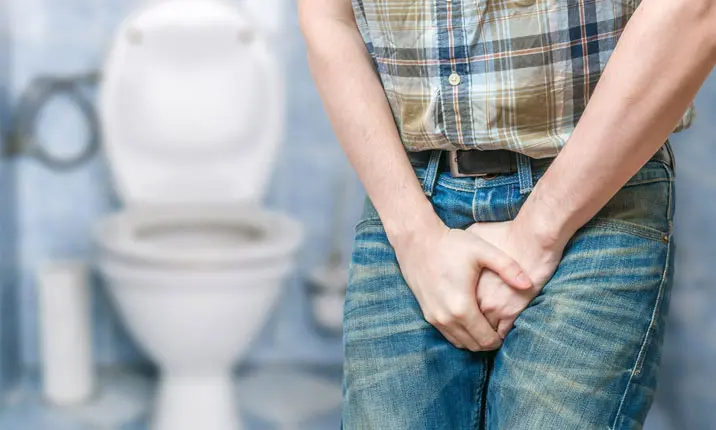
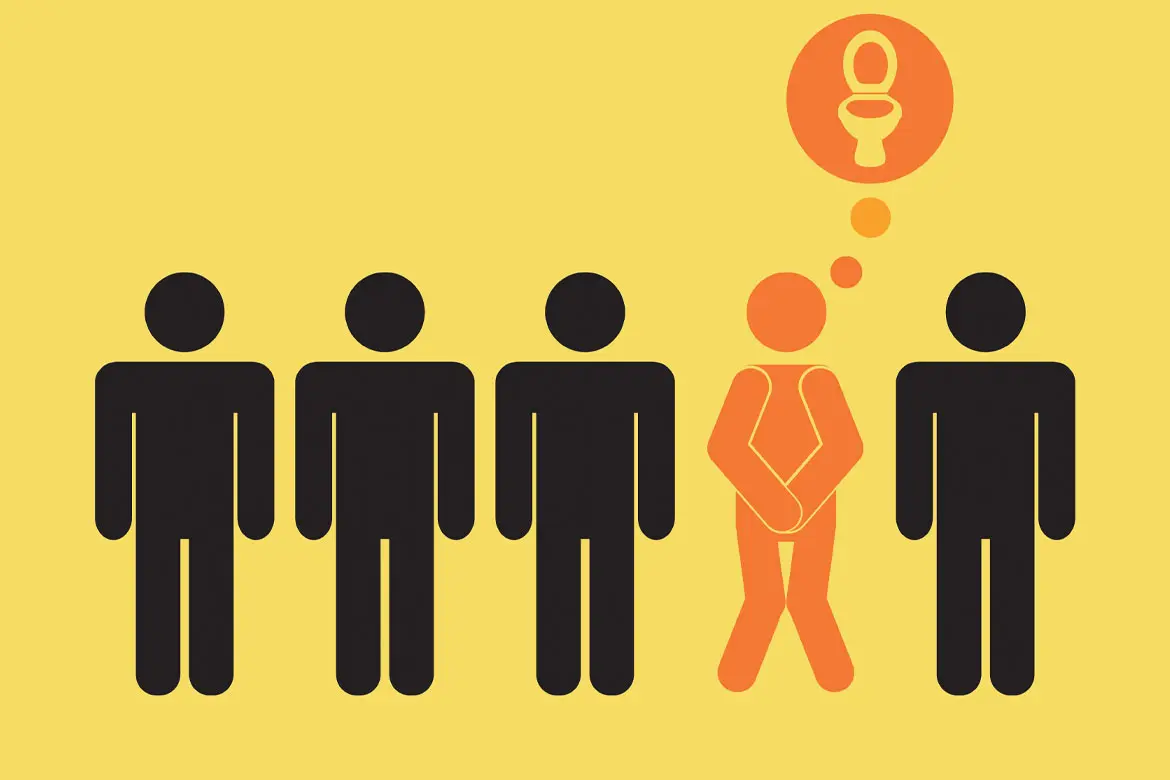
Urinary incontinence is the involuntary leaking of urine that typically happens when a person sneezes, coughs or even laughs vigorously. It can also happen when you feel a strong and sudden urge to urinate but can't make it to the bathroom in time.
Contrary to popular belief, urinary incontinence doesn't only happen when you get older. Although it can happen more often as we get older, there are many other possible causes for urinary incontinence which can be managed once it's been accurately diagnosed by a urologist.
In most cases, urinary incontinence commonly happens when control over the urinary sphincter is lost or weakened, and is typically more common among women.
A lot of people have experience the occasional urine leak, but some may leak small and moderate amounts more frequently, depending on their condition and type of incontinence.
The few types of urinary incontinence include:
This is where urine leaks after pressure is exerted on the bladder from coughing, sneezing, laughing, exercising or heavy lifting.
This is a sudden, intense urge to urinate that is followed by involuntarily urinating. It can become an inconvenient and disruptive influence on your daily routine, such as need to urinate frequently during the night which can disturb your rest. Common causes include infection, neurologic disorder or diabetes.
This is the frequent or constant dribbling of urine because the bladder doesn’t empty completely. As a result, the bladder is constantly filled beyond its capacity to store the excess urine, thereby leading to urine ‘overflowing’.
This happens when a physical or mental impairment prevents a person from getting to the bathroom in time. For example, arthritis which can interfere with a person unbuttoning their pants.
This is a combination of more than one type of urinary incontinence.
Urinary incontinence is actually a symptom and not a disease which can be caused by a person's daily habits, medical conditions or physical issues.
As you get older, the bladder muscles age as well, and involuntary bladder contractions increase while storage capacity decreases. Furthermore, after menopause, women produce less oestrogen which plays a part in keeping the lining of the bladder and urethra healthy. The deterioration of these tissues contribute towards urinary incontinence.
Temporary urinary incontinence could be caused by certain food, drinks and medications which act as diuretics, stimulating the bladder and increasing the volume of urine. These include alcohol, caffeine, carbonated drinks, artificial sweeteners, spicy, sugary or acidic food, heart and blood pressure medications, sedatives and muscle relaxants, or high doses of vitamin C.
An overactive bladder can also develop in patients with poor urination habits, such as holding in urine for too long. This is more common in certain occupations due to the lack of toilet access. In severe cases, it can lead to urge incontinence, regardless of gender.
Recurrent urinary incontinence can be caused by physical problems or changes such as pregnancy, where hormonal changes and weight of the foetus can cause stress incontinence. Childbirth via vaginal delivery may weaken the pelvic floor muscles, which are important for bladder control.
Urinary incontinence can also be caused by urinary tract infections which irritate the bladder, and make you feel like urinating urgently. This may be a cause of some leakage.
Constipation is another cause where hard and compacted stools in your rectum stimulate the nerves in the area and result in increased urinary frequency.
A hysterectomy (the surgical removal of a woman's uterus) could damage pelvic floor muscles and could lead to incontinence.
An enlarged prostate, or benign prostatic hyperplasia, could is a common cause of incontinence among men. Untreated prostate cancer could be associated with stress or urge incontinence. This could also happen as a side effect from prostate cancer treatment.
Obstructions, such as a tumour in the urinary tract, could block the normal flow of urine and cause overflow incontinence. Urinary stones may also cause urine leakage.
Neurological disorders such as multiple sclerosis, Parkinson’s disease, stroke, brain tumour or a spinal injury could affect the nerve signals related to bladder control and lead to urinary incontinence.
Other than discomfort and embarrassment, urinary incontinence can lead to, both physical and mental complications. These may include rashes, skin infections or sores due to constantly damp skin.
There’s also the increased risk of repeated urinary tract infections. Urinary incontinence can also impact social, work, and interpersonal relationships, especially when the sufferer limits outings or social interactions because of embarrassment. Among the elderly, they face an increased risk for falls from rushing to the bathroom.
Treatment will differ depending on the type of incontinence, age, level of health and mental state of the patient.
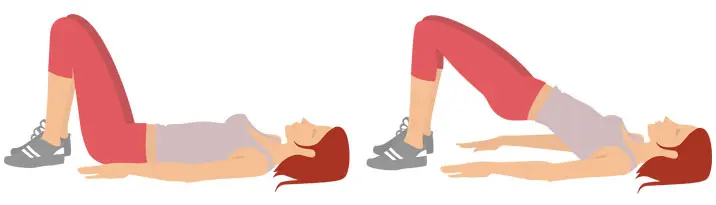
For stress incontinence, Kegel exercises could help strengthen your pelvic floor muscles which help control urination. To control the urge to urinate, you can also train your bladder by delaying urination, controlling your urination by starting, stopping, and then going to urinate again (called double voiding), and having a bathroom schedule, such as going to urinate every 2 hours or so.
Medication such as anticholinergics or beta-agonists may also be prescribed to calm overactive bladders. Topical oestrogen could also strengthen the tissues in the urethra and vaginal areas to alleviate symptoms.
Medical devices for women include:
Surgical options include the sling procedure (mesh inserted under the neck of the bladder to support the urethra), colposuspension (lifting the bladder neck and relieve stress incontinence) and implanting an artificial sphincter (inserted to control the flow of urine from the bladder into the urethra).
Urinary incontinence is a manageable condition as long as you receive an accurate diagnosis and treatment plan. Additionally, more people experience it than you think so take charge of bladder by seeing a urologist if you experience incontinence at any age.

Dr Dennis Chua talks about the thyroid and the common conditions associated with it.

When it comes to discussing more personal issues with doctors, it's tempting to hide certain details. Yet, by doing so, you may be putting your health at risk.

Dr Akira Wu, renal physician at Mount Elizabeth Hospital, explains what kidney failure is, what causes it and what symptoms to look out for.
If you tripped on a pavement or pulled something during a workout, you might be tempted to brush it off as a mild injury. Here's why you shouldn't ignore that ache and what you should do instead.

To maintain digestive health, you need a healthy gastrointestinal (GI) tract.

Which one should you consult when you're not feeling well?

Our breast surgeon explains how to understand your risk, warning signs to know, why screening matters even when you feel well, and what surgery can look like today.

As knee osteoarthritis progresses, everyday activities can become more difficult. Our pain specialist and orthopaedic surgeon explain the treatment options available and how to find the right approach for you.

Dr Edwin Chng from Parkway Shenton explains why weight loss can slow down during medical weight management, and when it may be time to review your treatment plan.

Prostate cancer is common, often silent, and still diagnosed too late in Singapore. Urologist Dr Tan Yung Khan on what every man should know about screening, diagnosis, and treatment.

We answer common questions about haze, and how this can affect common chronic lung conditions such as asthma and chronic obstructive pulmonary disease (COPD), and 8 simple tips to protect ourselves against it.
Our neurosurgeon, Dr Vincent Ng, explains the factors specialists consider when deciding whether a brain aneurysm should be monitored or treated, and what the different treatment options involve.
Gleneagles Hospital is part of IHH Healthcare, one of the world's largest integrated healthcare networks.

Download the MyHealth360 app to access an array of medical services conveniently.


Get trusted medical advice from our specialists, dietitians and physiotherapists directly in your inbox.
Subscribe