Edwin Chng Aik Chen
General Practitioner

Source: Shutterstock
General Practitioner
Most Singaporeans are familiar with haze, as the Southeast Asian haze season occurs almost every year, typically peaking between July and October.
Occasionally, it occurs outside the usual period. In February 2026, parts of Singapore recorded hazy conditions across the central, northern and eastern regions. During such episodes, GPs often see an increase in patients presenting with cough, throat irritation and breathing difficulties.
Transboundary haze has affected countries across the region for many years, including Singapore, Malaysia, Indonesia, and Brunei. Governments continue to work together to address the issue, recognising its potential impact on public health.
Haze is a form of air pollution made up of fine airborne particles such as dust and smoke, along with pollutants such as carbon monoxide and other toxic gases.
The main pollutant of concern is fine particulate matter, commonly referred to as PM. These particles are extremely small and can travel deep into the lungs. In some cases, they may even enter the bloodstream.
Common sources of haze include traffic emissions, industrial activity, agricultural burning and wildfires. In Singapore, haze is largely caused by forest fires in the region, often due to open burning to clear land for farming. Whether we experience haze locally depends on where the fires are burning and the direction of the wind.
Air quality in Singapore is measured using the Pollutant Standards Index (PSI). PSI reflects the average concentration of pollutants over 24 hours and provides guidance on how severe haze conditions are, so you can take practical steps to protect yourself and your family.
How haze impacts your health depends on several factors, including your overall health status, the PSI level, how long you are exposed, and the intensity of your outdoor physical activity.
For healthy individuals, short-term exposure to haze may cause:
These symptoms are usually mild and resolve once exposure is reduced. However, if the symptoms persist or worsen, medical assessment may be necessary. Signs include irritation to the eye, nose and throat such as dry or sore throat, coughing, sneezing, runny nose and tearing of eyes. People with sensitive skin may experience skin irritations and eczema flare ups.
Fortunately, most people develop mild symptoms which resolve on their own. Some patients with more severe or prolonged symptoms may need to see a doctor for treatment.
Haze can also aggravate pre-existing chronic conditions, particularly heart or lung diseases. For example, elevated PSI levels may trigger asthma attacks and acute bronchitis in patients with lung conditions. These flare-ups can be serious. Individuals with chronic medical conditions should monitor their symptoms closely and seek early medical attention if needed.
Long-term exposure to high levels of air pollution may also potentially lead to the development of chronic bronchitis, reduced lung function, increased cancer risk, and even premature death.
Fortunately, haze episodes in Singapore are typically short-term rather than year-round. Nevertheless, minimising exposure during periods of elevated PSI remains important.
Certain groups are more vulnerable to the effects of haze, especially:
Children and older adults are generally more sensitive to air pollutants and should limit outdoor exposure when PSI levels rise. Pregnant women are also advised to reduce exposure to lower potential risks to their baby.
During haze periods, take the following measures to reduce exposure:
Refer to the MOH health advisory below for recommended activity levels based on PSI forecasts.
PSI activity guidelines
| 24 hour PSI forecast | Healthy persons | Elderly, pregnant women, children | Persons with chronic lung or heart disease |
| 0 – 50 | Normal activities | Normal activities | Normal activities |
| 51 – 100 | Normal activities | Normal activities | Normal activities |
| 101 – 200 | Reduce prolonged/ strenuous outdoor physical exertion | Minimise prolonged/ strenuous outdoor physical exertion | Avoid prolonged/ strenuous outdoor physical exertion |
| 201 – 300 | Avoid prolonged/ strenuous outdoor physical exertion | Minimise outdoor activity | Avoid outdoor activity |
| > 300 | Minimise outdoor activity | Avoid outdoor activity | Avoid outdoor activity |
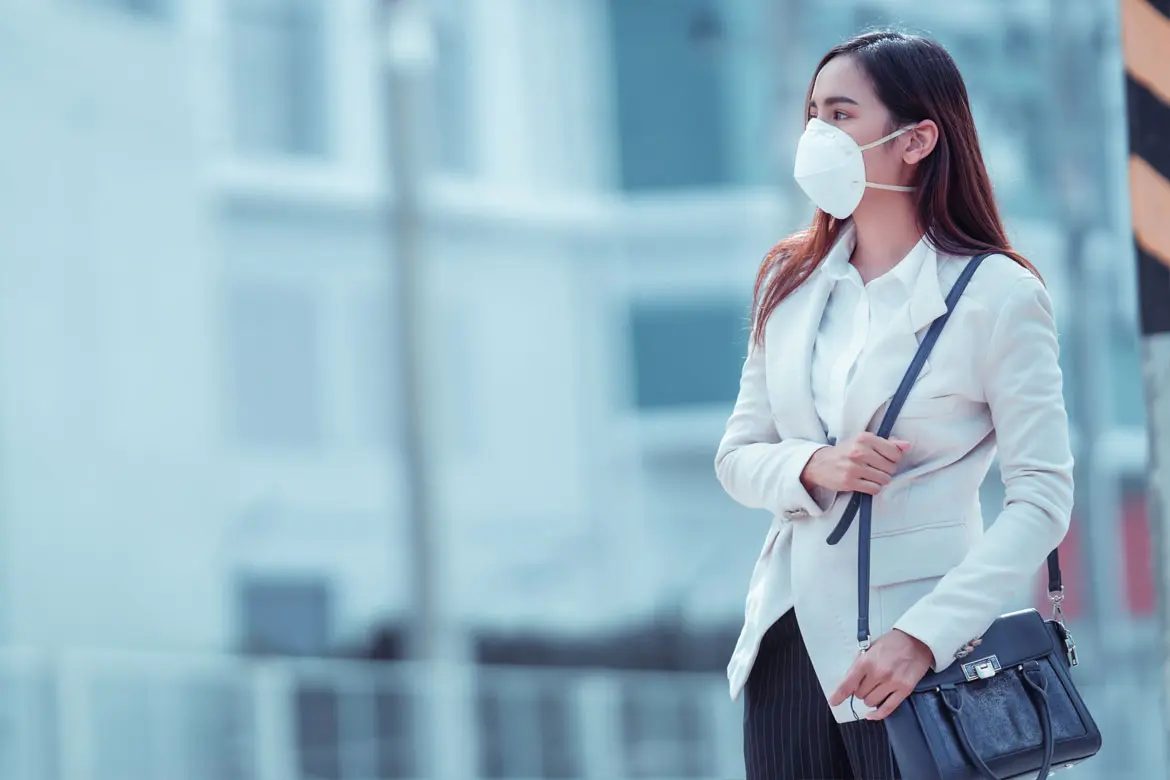
When PSI levels exceed 101, individuals with pre-existing heart or respiratory illnesses are advised to wear N95 masks outdoors. N95 masks are designed to filter fine particulate matter and may be useful during periods of high PSI.
If you are healthy but need to remain outdoors for several hours when PSI levels exceed 300, you should also consider wearing an N95 mask.
However, N95 masks can make breathing feel more difficult and may cause discomfort, fatigue or headaches.
Pregnant women in their second or third trimester, as well as elderly individuals, should stop using N95 masks if they feel unwell. If you have respiratory illnesses, consult your doctor before using one.
Children should not use N95 masks, as they are not certified for them. It is safer for children to remain indoors during periods of high PSI.
You do not need to wear an N95 mask indoors or during brief outdoor exposure, such as walking from the bus stop to a nearby building.
Do note that surgical and paper masks are not effective against haze particles and do not provide adequate protection.
Early medical evaluation can help manage symptoms promptly and reduce the risk of complications, especially if you are elderly, pregnant, caring for young children, or living with chronic lung or heart conditions.
If you are unsure how haze may affect your health, speak with your Parkway Shenton doctor for personalised advice and guidance.
A: Exposure to haze can lead to mild respiratory and skin symptoms, such as sore throat, coughing, sneezing, eye irritation or eczema flare-ups.
A: If you are affected by haze, stay indoors as much as possible, avoid prolonged or strenuous outdoor activities, and seek medical advice if you or your loved ones experience persistent coughing, breathlessness, chest tightness, worsening asthma symptoms, or significant eye or throat irritation.
A: In 2026, there were reports of hazy conditions in Singapore with some individuals having coughs and breathing problems. This was due to increased hotspot activity from surrounding areas, such as Malaysia and Indonesia, caused by drier weather conditions and prevailing wind patterns.
Someone around you starts wheezing and coughing vigorously. What should you do?
Can asthma sufferers continue to exercise and lead active lifestyles?
What is influenza, and what flu vaccinations can you get to protect yourself against it?
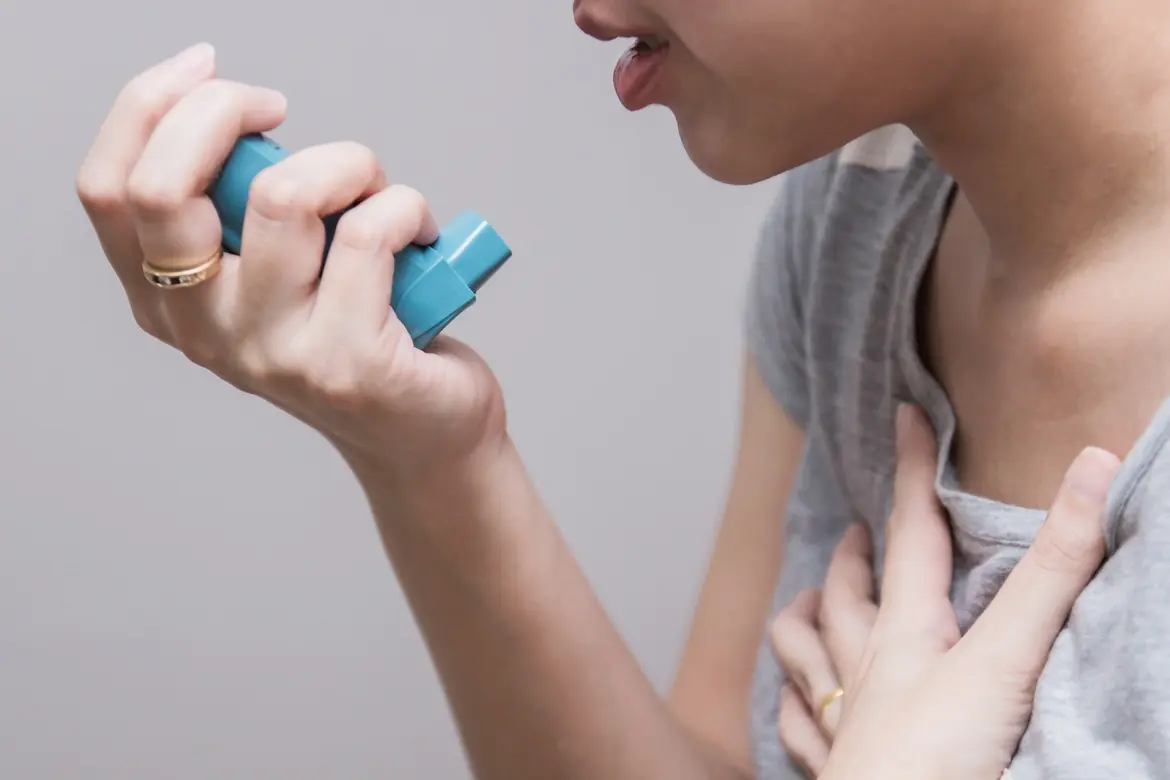
Struggling to manage your asthma, or know someone who is? Here's what you can do to cope with it.

A cough can sometimes go away on its own, but what does it mean if you can't stop coughing?

Have you ever felt that you cannot breathe in enough air? Dr Chew Huck Chin explains dyspnoea and why you should not ignore it.
Gleneagles Hospital is part of IHH Healthcare, one of the world's largest integrated healthcare networks.

Download the MyHealth360 app to access an array of medical services conveniently.


Get trusted medical advice from our specialists, dietitians and physiotherapists directly in your inbox.
Subscribe